
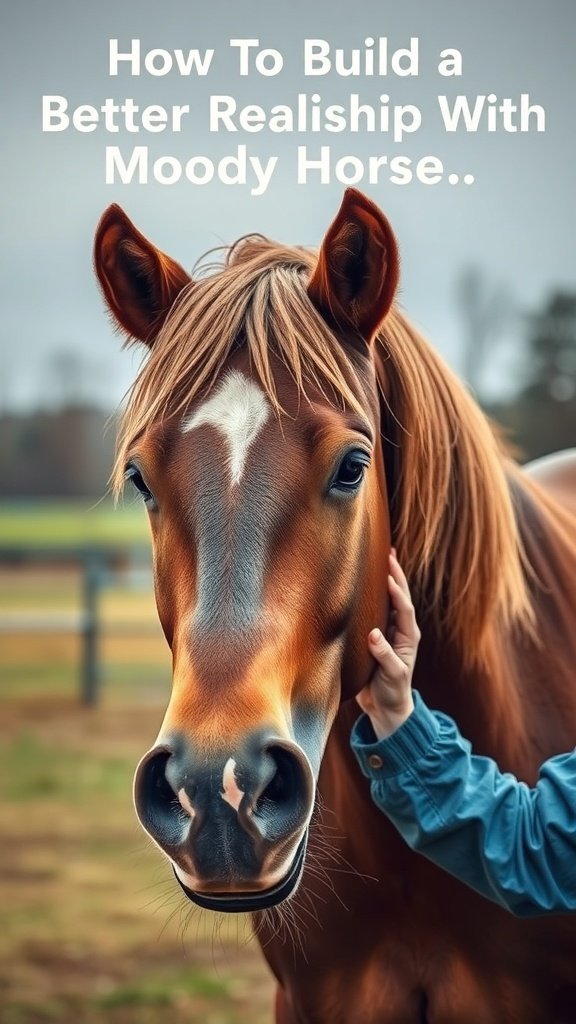
Understanding the Mood Swings of Horses: A Guide to Emotional Awareness
Horses are majestic animals, but they can be quite sensitive, often displaying a range of emotions. If you’ve noticed your horse experiencing mood swings, understanding these changes can significantly improve your relationship with them. Moodiness in horses can stem from various factors including health, environment, and emotional state. To help you bond better with your horse, it’s important to develop emotional awareness and learn to recognize their moods.
Recognizing Mood Changes in Horses
Each horse has its unique personality, but they can exhibit similar behavioral changes that indicate mood swings. Here are key signs to look for:

- Ears: The direction of your horse’s ears can tell you a lot. Ears pinned back can indicate annoyance, while pricked ears show curiosity or interest.
- Tail: A swishing tail can mean your horse is agitated, while a relaxed tail indicates tranquility.
Stiffness in the body, tensed muscles, or shifting weight may suggest discomfort or irritation.
Understanding Triggers
To build a better relationship with a moody horse, it’s essential to identify what triggers their mood swings. Common triggers include:
- Environmental Factors: Changes in weather or surroundings can affect a horse’s mood.
- Health Issues: A horse in pain due to an injury or illness may become more irritable or withdrawn.
- Routine Changes: Any alterations in feeding time, exercise, or other daily routines can upset your horse.
- Social Dynamics: Horses are social creatures. Changes in their herd or companion can affect their emotional state.
Enhancing Communication
The foundation of any strong relationship is good communication. Here are some strategies to enhance your interaction with your horse:
- Spend Quality Time: Create a routine where you spend at least 15-20 minutes a day bonding with your horse through grooming or simply hanging out.
- Learn Their Body Language: Pay attention to your horse’s physical signals to understand how they’re feeling.
- Use Soothing Techniques: A gentle voice, calming touch, or even soft music can help soothe a moody horse.
Structured Riding Sessions
When riding a moody horse, it’s crucial to have structured sessions that take their mood into account:
- Begin with Groundwork: Start with groundwork exercises to build trust and connection before mounting.
- Set Realistic Goals: If your horse appears tense, opt for light exercises rather than push for high-energy activities.
- Take Breaks: Allow regular breaks during your rides to let them relax and process the experience.
Health Considerations
Never underestimate the importance of your horse’s health in relation to their mood swings. Schedule regular check-ups with a veterinarian to rule out any underlying health issues. If your horse is in discomfort or pain, it can manifest as moodiness.
Click Here to Explore All Things Equestrain, From Stables to Lessons and Free Ebooks
Building Trust
Building trust is essential when dealing with a moody horse. Here are some tips to consider:
- Be Patient: Building a relationship takes time. Don’t rush the process; allow your horse to come to you on their terms.
- Use Positive Reinforcement: Reward good behavior with treats or praise to reinforce trust and good habits.
- Consistency is Key: Maintain a consistent routine so your horse knows what to expect, reducing their anxiety and mood swings.
Understanding the emotions of horses can greatly impact how you relate to them. By being observant, attentive, and patient, you can effectively manage the mood swings of your horse, cultivating a deeper bond that enhances both of your experiences.
Building Trust Through Consistent Routines
Building a better relationship with your moody horse can seem like a challenging task, but it starts with creating a foundation of trust through consistent routines. Horses are creatures of habit, and establishing a reliable routine can significantly improve their mood and behavior. When they know what to expect from you each day, they feel more secure and relaxed.
When implementing routines for your horse, consider the following key components:
- Feeding Schedule: Just like humans, horses thrive on routine. Set a regular feeding time and stick to it. This consistency will help your horse know when to expect nourishment, making them feel much more relaxed.
- Exercise and Playtime: Schedule daily exercise and play sessions. Whether it’s a ride, groundwork, or simple lunging, keeping a regular physical activity routine can improve mood and help you bond with your horse.
- Grooming Routine: Grooming should be more than just a means to an end. Dedicate time each day to brush your horse. This not only ensures their coat stays healthy but also provides them with comforting physical touch.
- Training Sessions: Incorporate consistent training sessions into your routine. Short, positive training exercises can help build your horse’s confidence and willingness to connect with you.
- Social Time: Remember that horses are social animals. Spend time with your horse just hanging out. Allow them to relax in your presence, which can solidify your bond.
Establishing these regular activities creates a sense of comfort for your horse. The predictability helps reduce anxiety and can prevent mood swings. For instance, if your horse knows that after feeding comes grooming, they will look forward to that time spent with you.
Click Here to Explore All Things Equestrain, From Stables to Lessons and Free Ebooks
To make your routine even more effective, here are some advanced strategies you might consider:
- Set Clear Boundaries: Horses respond well to clear communication. Ensure your horses know what behavior is acceptable and what is not. This helps them understand what is expected during your routine.
- Stay Positive: Your attitude plays a crucial role in shaping your horse’s moods. Approach your interactions with positivity and patience. Your horse will pick up on your energy and likely respond in kind.
- Be Flexible: While consistency is essential, it’s also vital to remain adaptable. Horses go through phases — some days they may be more energetic than others. Adjust your routines accordingly to suit their current energy levels and mood.
- Keep Sessions Short and Engaging: Horses have short attention spans. It’s beneficial to keep training and playtime sessions short but frequent. This approach reinforces positive experiences while preventing frustration.
- Incorporate Rewards: Utilize rewards such as treats or praise to reinforce good behavior during your routines. It fosters a positive association with your presence and encourages them to engage willingly.
When you build trust through consistent routines, your moody horse will gradually learn to trust you more. Over time, you will notice changes in their behavior, and they may become more relaxed, alert, and engaged. If your horse is displaying moodiness due to discomfort or health issues, it is essential to consult with a veterinarian. Their physical well-being is vital for emotional stability.
As your relationship grows, observe how your horse reacts during different activities. Take note of what seems to perk them up and what may cause them to withdraw. This awareness is key to tailoring other aspects of your routine. Learning their preferences and dislikes makes for a more harmonious relationship.
Remember, building a better relationship with your moody horse takes time. Patience and commitment to consistent routines create an environment where your horse will thrive. By nurturing trust and bonding through reliable habits, you’ll find that your moody horse transforms into a more content companion. Your commitment to their well-being will result in a rewarding relationship that both of you will cherish.
Effective Communication Techniques with Your Horse
Effective communication with your horse is essential for building trust, enhancing your riding experience, and ensuring your horse’s well-being. Understanding how to connect with these beautiful animals on a deeper level can transform challenges into rewarding moments. Here are several techniques to communicate effectively with your horse.
First and foremost, body language plays a significant role in how horses interpret your intentions. Horses are highly sensitive to the nuances of movement and posture. To communicate effectively, consider the following body language tips:
Click Here to Explore All Things Equestrain, From Stables to Lessons and Free Ebooks
- Posture: Stand tall and relaxed. A confident stance can convey security to your horse.
- Hand Gestures: Use clear and consistent gestures. For instance, raising your hand can mean “whoa,” while a wave can encourage your horse forward.
- Eye Contact: Horses may perceive direct eye contact as a threat. Instead, maintain a friendly gaze and avoid staring to put your horse at ease.
Using your voice is another powerful communication tool. Horses respond to the tone and volume of your voice. Here are effective vocal techniques:
- Calm Tone: Use a soft, soothing voice when approaching or handling your horse. This can help them feel secure.
- Commands: Teach your horse simple commands like “walk,” “trot,” or “stop.” Use the same word consistently, coupled with the right body language.
- Positive Reinforcement: Praise your horse using verbal cues. A simple “Good boy!” can strengthen your bond and encourage good behavior.
Next, consider the significance of touch. Horses are tactile creatures, and physical contact can communicate safety and affection. Here are some effective touch techniques:
- Gentle Strokes: Stroke your horse on areas they enjoy, like the neck or face. It can soothe and calm them.
- Pressure and Release: Use gentle pressure with your hands to direct your horse. Release that pressure once they respond correctly to reinforce learning.
- Personal Space: Respect your horse’s personal space. If they back away when you approach, give them some room. This promotes trust.
Establishing a routine can also enhance effective communication. Horses thrive on predictability and familiarity. Try to create a consistent schedule for feeding, grooming, and exercise. Here are ways to implement this:
- Feeding Times: Stick to regular feeding schedules. This builds trust as your horse learns when to expect you.
- Grooming Rituals: Spend time grooming daily. This not only keeps your horse clean but also strengthens your bond through shared experiences.
- Exercise Routines: Incorporate diverse training sessions. Variety keeps your horse engaged and attentive to your instructions.
Additionally, observing your horse’s behavior can provide insight into their feelings and needs. Horses communicate stress, discomfort, or happiness through body language. Learn to recognize when your horse is:
- Relaxed: Ears forward and a relaxed body indicate comfort.
- Stressed: A tense body posture or pinned ears may suggest anxiety. Adjust your approach if you notice these signs.
- Happy: A relaxed stance and gentle nicker imply contentment.
Patience is crucial when it comes to communication with your horse. Developing a solid relationship takes time and consistent effort. Try these approaches:
Click Here to Explore All Things Equestrain, From Stables to Lessons and Free Ebooks
- Take Small Steps: Gradually introduce new commands or techniques.
- Celebrate Progress: Acknowledge even the smallest strides your horse makes in learning.
- Stay Relaxed: Your mood can influence your horse. Stay calm and patient to foster a positive atmosphere.
These techniques can significantly enhance the relationship you have with your horse. Over time, effective communication not only improves your riding experience but can also create a deeper, more meaningful bond with your equine partner. Remember that the goal is to create a harmonious interaction built on trust, understanding, and mutual respect.
The Impact of Environment on a Horse’s Temperament
The environment plays a crucial role in shaping a horse’s temperament. Horses are sensitive creatures, and their mood can be greatly influenced by their surroundings. Understanding how different environmental factors impact a horse can help you foster a more harmonious relationship with your equine friend.
One of the primary environmental factors affecting a horse’s temperament is the living space. Horses thrive in spacious areas where they can move freely. When confined to small stalls for a long duration, they may become anxious, frustrated, or agitated. This can lead to behavioral issues such as biting or kicking. To promote a healthy temperament, ensure that your horse has access to a suitable paddock or pasture where they can roam and graze.
Social dynamics also play a pivotal role. Horses are herd animals by nature and feel safer and more relaxed in the company of their peers. Isolation can lead to stress and a shift in demeanor. If your horse is single, consider introducing a companion animal such as another horse, pony, or even a goat. Monitor their interactions, as the social structures must be compatible to prevent conflict.
Nutrition is another significant component of a horse’s environment that can affect its mood. Providing a balanced diet ensures they receive the right nutrients essential for their physical and mental health. Horses fed with high amounts of sugary grains might exhibit excessive energy and nervousness. Opt for hay and forage, as they mimic the natural grazing patterns of wild horses, promoting a calmer demeanor.
Weather conditions should also be considered. Horses may react differently to hot, cold, or wet weather. For instance, when it gets too hot, horses may become irritable and lethargic. Likewise, cold, windy days can lead to unease. Providing shelter from extreme weather conditions allows your horse to feel more relaxed and comfortable. Ensuring they have appropriate gear, such as a blanket during winter, can also help maintain their splendor.
Click Here to Explore All Things Equestrain, From Stables to Lessons and Free Ebooks
Here are some practical strategies to enhance your horse’s environment:
- Maintain a Clean Living Space: Regularly clean stalls and paddocks to prevent stress associated with dirt or odor.
- Provide Enrichment: Use toys or manipulatives within their stalling area to keep them mentally stimulated.
- Routine Handling: Consistency in handling can instill confidence in your horse, making them more comfortable in their environment.
- Ventilation: Ensure the area they occupy is properly ventilated. Stale air can lead to respiratory issues and discomfort.
Another important aspect of their environment is training. How a horse perceives past experiences can greatly influence its temperament. A horse that has had negative training experiences may become defensive or aggressive. Positive reinforcement methods create a trusting atmosphere, in which the horse feels secure and less moody. When introducing new tasks, make sure to go at a pace that suits your horse’s comfort level.
Consider the role of sound and visual stimuli in your horse’s environment. Horses can be easily startled by sudden noises or unexpected movements. Ensure their surroundings are as quiet and peaceful as possible, especially during training sessions. Using calming aids like relaxation music or ensuring there are no distractions in sight can help maintain a composed temperament.
The environment significantly impacts a horse’s mood and behavior. By paying attention to their living space, social interactions, nutrition, comfort from the weather, and overall mental well-being, you can help ensure your horse maintains a positive temperament. Building a deeper understanding of these factors will ultimately strengthen your bond, allowing for a mutually fulfilling relationship.
Strengthening the Bond: Fun Activities to Engage Your Moody Horse
Building a stronger relationship with your moody horse can be challenging, yet immensely rewarding. Horses, much like humans, experience a range of emotions. Their moods can swing from playful to downright grumpy. By engaging in fun, interactive activities, you can foster trust and affection, ultimately creating a bond that transcends these mood fluctuations. Here are some enjoyable exercises and ideas to help you connect with your horse on a deeper level.
Spend Quality Time Together
Horses are social animals, and they thrive on companionship. Simply being near your moody horse can have a positive effect. Spend time just sitting in their paddock or stall, speaking softly, and allowing them to approach you on their terms. This non-intrusive interaction helps them feel safe and valued.
Click Here to Explore All Things Equestrain, From Stables to Lessons and Free Ebooks
Engaging Groundwork Exercises
Groundwork exercises can be both beneficial and fun for your horse. These activities promote trust and communication!
- Lunging: Utilize a lunging line to encourage your horse to move freely. This builds respect and helps you understand their mood better.
- Long-Lining: This technique promotes synchronization between you and your horse, enhancing communication skills.
- Leading Obstacle Courses: Set up a simple course with poles and cones. Guiding your horse through it can be a fun challenge for both of you.
Interactive Training Sessions
Training can sometimes feel like a chore, but it doesn’t have to be! Incorporate play into your training sessions by using positive reinforcement.
- Treat Rewards: Use small treats to encourage specific behaviors. This not only motivates your horse but also cements positive associations with you.
- Clicker Training: Introduce clicker training for engaging tasks. It creates a fun response for your horse and enhances their focus on you.
- Trick Training: Teach your horse tricks like bowing or fetching an item. These new skills can brighten their mood and keep them engaged.
Explore the Outdoors
Horses enjoy exploring their environments. Engaging in outdoor activities can be invigorating for a moody horse.
- Trail Rides: Take your horse on a leisurely trail ride. Change of scenery could lift their spirits!
- Grazing Adventures: Allow your horse to graze in new areas. Fresh grass and different smells can create excitement and promote relaxation.
- Camping or Overnights: Plan a camping trip with your horse. The shared experience can strengthen your bond.
Fun Games for Bonding
Games are a delightful way to engage with your moody horse and provide mental stimulation.
- Horse Soccer: Introduce a large ball and encourage your horse to kick it. This fun activity can bring laughter and joy to your training sessions.
- Pole Bending: Set up poles and teach your horse to weave through them. It’s both a fun and skill-building exercise.
- Obstacle Challenges: Create a mini challenge course with various obstacles. Completing this challenge together can deepen your relationship.
Mindfulness and Relaxation
Emotional well-being is crucial for both you and your horse. Dedicate time for mindfulness together.
Click Here to Explore All Things Equestrain, From Stables to Lessons and Free Ebooks
- Quiet Moments: Spend time grooming your horse without distraction. This serene activity can ground both of you!
- Massage and Touch: Learn basic horse massage techniques to promote relaxation and trust.
- Breathing Exercises: Try rhythmic breathing together. It may help your horse feel your calmness and adapt to a more balanced mood.
Remember, building a better relationship with your moody horse requires patience, understanding, and creativity. Engaging in these fun activities not only creates a stronger bond but can also transform challenging moods into joyful moments. Your dedication will shine through, making a world of difference in your horse’s behavior and overall happiness. Trust in the process, and you both will thrive.
Conclusion
Navigating the complexities of a moody horse can be a rewarding journey when approached with understanding and patience. By recognizing and interpreting your horse’s mood swings, you foster emotional awareness that is crucial for building a strong bond. Establishing consistent routines not only creates a sense of security for your horse but also nurtures trust, making your interactions smoother and more enjoyable.
Effective communication techniques, such as using body language and vocal cues, enhance your understanding of your horse’s needs and feelings, paving the way for a more harmonious relationship. Additionally, remember that environmental factors play a significant role in your horse’s temperament. By adjusting their surroundings, whether it’s managing noise levels or providing safe spaces, you can positively influence their mood.
Engaging in fun activities with your horse not only serves as a fantastic bonding experience but also helps to stimulate their mind and alleviate moodiness. Whether it’s taking them for a trail ride, practicing groundwork, or introducing new challenges, these shared experiences will strengthen your connection and promote a more stable temperament.
The foundation of a better relationship with a moody horse lies in patience, empathy, and consistency. By implementing these strategies, you’re not merely managing your horse’s moods; you’re fostering a profound connection built on trust and mutual respect. This journey may take time, but the rewards of a deeper bond with your horse are well worth the effort. Embrace the process, and watch your relationship with your moody horse flourish.