
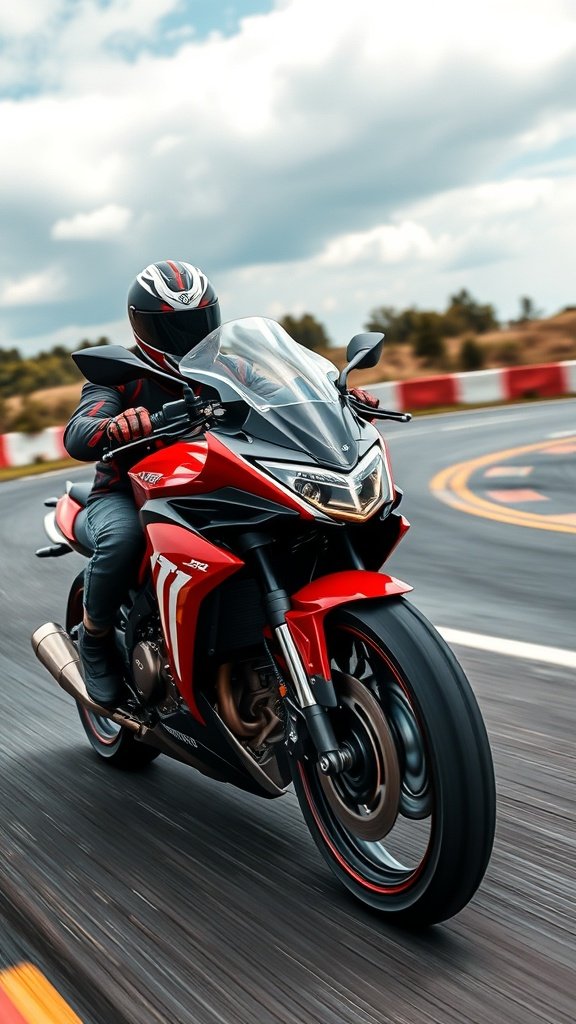
Mastering the Art of Riding Circles and Corners: Techniques for Improvement
Riding circles and corners can be challenging, but with the right techniques, you can master this essential skill. Whether you’re a novice or a seasoned rider, understanding how to navigate these turns can greatly enhance your riding experience. This article will share proven strategies to help you ride circles and corners like a pro.
Establish a Strong Foundation
Before diving into advanced techniques, it’s important to have a strong understanding of the basics. Here are fundamental aspects to consider:

- Proper Seat Position: Your seat serves as your main point of balance. Ensure you are centered in the saddle, which will help you maintain control throughout your ride.
- Grip with Your Legs: Use your legs to gently squeeze your horse’s sides as you move into turns. This helps in communicating your intentions clearly.
- Relaxed Posture: Keep your body relaxed to absorb the movements of your horse. Stiffness can hinder your ability to turn smoothly.
Understanding Turns
Turning, especially in circles, requires a blend of body positioning and rein control. Here’s how you can effectively manage your turns:
- Inside Rein: When turning left, keep your left rein steady while gently pulling it toward your left hip. This aids in guiding your horse in the right direction.
- Outside Rein: Use your right rein to control the horse’s speed. A light, steady tension helps keep the horse from speeding up during the turn.
- Weight Shifting: Shift your weight onto your inside seat bone to encourage your horse to lean into the turn.
Practicing Circles
Circles require precision, and practicing them will significantly improve your skills. Here are some techniques to enhance your circle riding:
- Start Small: Begin with smaller circles to focus on the mechanics of turning and gradually increase your circle size.
- Visual Focus: Look ahead at the circle’s center, as this will guide your horse’s path and keep them balanced.
- Maintain Rhythm: Ensure that your horse maintains a consistent pace. This helps to create a smoother and more controlled turn.
Mastering Corners
While circles help in mastering balance, corners require sharp focus and control. Follow these techniques for effective cornering:
Click Here to Explore All Things Equestrain, From Stables to Lessons and Free Ebooks
- Prepare Early: Anticipate the corner and prepare your horse beforehand. Start softening the reins and shifting your weight as you approach the corner.
- Breathing Technique: Take a deep breath as you approach corners. This relaxes you and helps your horse stay calm.
- Use of Body Language: Lean slightly to the inside of the corner to encourage your horse to follow. Your body movements will guide your horse intuitively.
Building Confidence
Confidence plays a vital role in mastering corners and circles. Here are some tips to boost both yours and your horse’s confidence:
- Practice Regularly: Frequent practice helps both you and your horse become comfortable with turning and cornering.
- Positive Reinforcement: Praise your horse for good performance during circles and corners. Rewards boost their confidence and encourage good behavior.
- Ride with Companions: Riding with experienced riders can provide helpful insights and foster a supportive atmosphere.
Mastering the art of riding circles and corners is essential for any rider looking to improve their skills. By focusing on your foundational techniques and regularly practicing your turns, you’ll gain control and confidence in the saddle. Remember, patience and persistence are key. With time, you’ll find yourself navigating circles and corners like a true professional!
Understanding the Physics of Turning: How to Maintain Balance and Control
When you’re on a bike, confidence comes from mastering the art of turning. Understanding how to balance and control your bike while navigating curves is essential. This knowledge can elevate your riding experience and help you ride circles and corners like a pro.
First, let’s talk about balance. When you approach a turn, your body position is crucial. Leaning into the turn helps shift your weight, allowing for better control. Here’s how to maintain balance effectively:
- Lower your center of gravity: Bend your elbows and knees slightly, which helps you become more stable on the bike.
- Shift your weight: As you lean into the turn, position your body closer to the inside of the curve. This technique helps maintain traction and stability.
- Look ahead: Always keep your eyes on the path you wish to take. Aiming your gaze down the road helps with both balance and steering.
Now, let’s dig into the physics that play a role in your turns. When you decide to turn, you apply a force that changes your direction. This is where centrifugal force comes into play. As you turn, your bike wants to continue straight ahead due to inertia. By leaning, you counteract this tendency and maintain control.
One vital aspect of mastering turns is understanding friction. The tires of your bike interact with the road surface, creating friction that allows you to grip during turns. Here’s how to maximize this grip:
Click Here to Explore All Things Equestrain, From Stables to Lessons and Free Ebooks
- Choose the right tires: Ensure your tires are suitable for the riding conditions you face.
- Check tire pressure: Properly inflated tires provide better contact with the ground.
- Maintain your bike: Regular maintenance ensures that your bike’s components work efficiently and safely.
When entering a turn, speed management becomes crucial. Too much speed can lead to a loss of traction, while too little can throw off your balance. Follow these tips for better speed control:
- Slow down before the turn: Adjust your speed by braking before you enter the curve. This practice allows you to maintain control while leaning into the turn.
- Gradual acceleration: Start putting power down as you exit the turn. This smooth transition helps maintain traction and sets you up for your next move.
Practice is key to mastering corners. Begin with easier curves, gradually working your way to sharper angles. This progression helps you build confidence while reinforcing the techniques discussed. As you practice, pay close attention to how your body and bike react. Adjust your movements as needed to ensure smooth and controlled turns.
Another crucial element is the steering input. Knowing how to steer your bike effectively is essential for mastering corners. Instead of turning the handlebars sharply, lean your body and use a gentle steer to maneuver your bike through the turn:
- Push forward on the inside handlebar: This technique helps initiate the turn while maintaining balance.
- Allow the bike to lean: Trust the bike to grip as you lean; avoid the temptation to pull up on the handlebars during the turn.
Incorporate visual cues. Noticing road signs, lane markings, or even the ground texture can help you anticipate how a turn might feel. Recognizing these factors can guide your speed management and body positioning.
Riding circles and corners requires understanding the relationship between physics and riding techniques. By focusing on balance, friction, speed management, steering input, and visual cues, you can enhance your riding skills and confidence. With practice and attention to detail, you’ll find yourself navigating turns like an expert.
Common Mistakes Riders Make in Corners and Circles: How to Avoid Them
When mastering the art of riding circles and corners, you may realize that even small mistakes can lead to significant challenges. Many riders, both novices and seasoned, often stumble upon familiar yet easily avoidable errors. Understanding these common mistakes and how to correct them will not only boost your confidence but also enhance your overall riding experience. Let’s dive into these pitfalls and explore how to avoid them.
Click Here to Explore All Things Equestrain, From Stables to Lessons and Free Ebooks
Improper Body Position
A frequent error is incorrect body positioning. Riders often lean too far forward or backward, disrupting balance. Here are key tips to ensure proper posture:
- Keep your shoulders aligned: They should be directly over your hips.
- Relax your arms: Tension can lead to stiffness, making it harder to steer and balance.
- Maintain a straight back: This helps with stability and control.
Navigating Turns with Stiffness
Riding with a tense grip can hinder your ability to navigate corners smoothly. Instead of stiffening your body, focus on a relaxed but responsive approach. Here’s how to promote fluid movement:
- Use your legs: Squeeze with your thighs to maintain contact with the saddle instead of gripping the handlebars too tightly.
- Look where you want to go: Your body follows your gaze, so turning your head can help direct your movements.
- Breathe: Take deep breaths to help release tension throughout your body.
Rushing Through Corners
Speed thrills, but it can also create significant dangers. Rushing through corners often leads to panic and poor decision-making. To conquer this habit, try these strategies:
- Practice slowing down: Enter corners at a reduced speed until you feel comfortable.
- Gradual acceleration: After you have safely navigated the corner, increase your speed progressively.
- Focus on technique: Prioritize form over speed to build confidence and skill.
Misjudging Corner Angles
Many riders struggle with assessing corner angles, leading to incorrect turns. Properly judging these angles is crucial for maintaining momentum. Here are some techniques to improve your judgment:
- Practice your visuals: Identify markers on the road that can give you hints about the angle.
- Walk the path: If possible, walk through the corner to get a physical feel of the angle.
- Start with larger circles: Gradually work down to smaller circles as your judgment improves.
Neglecting the Outside Leg
An often overlooked aspect of cornering is the role of the outside leg. Many riders forget to use their outside leg for support during turns. Here’s why it’s essential:
Click Here to Explore All Things Equestrain, From Stables to Lessons and Free Ebooks
- Stability: Engaging your outside leg helps maintain balance.
- Control: It aids in guiding the bike through turns, improving precision.
Overthinking Your Movements
Riders often become overwhelmed by trying to remember multiple techniques at once, which leads to mistakes. To counter overthinking, consider the following:
- Break it down: Focus on one aspect at a time, such as turning or body position.
- Practice consistently: Regular practice will make actions more intuitive, reducing overthinking.
- Stay relaxed: Keep a calm mindset to improve overall focus and performance.
Recognizing these common mistakes is the first step toward becoming a more skilled rider. Practice the strategies discussed here to improve your ability to ride circles and corners like a pro. By incorporating proper body positioning, maintaining relaxed movements, and correctly judging corners, you can enhance both your confidence and riding skills. Whether you’re preparing for a competitive event or simply enjoying a leisurely ride, being aware of these potential pitfalls will make your experience more enjoyable and fulfilling.
Essential Equipment for Riding Circles and Corners Effectively
When it comes to mastering circles and corners while riding, having the right equipment is essential. The gear you choose can make a significant difference in your control, stability, and overall performance. Below is a detailed look at the key pieces of equipment you should consider if you want to ride circles and corners like a pro.
Riding Gear
Your riding gear is the first line of defense against injuries. Proper gear contributes to better performance and protection.
- Helmet: A quality helmet is non-negotiable. It protects your head in case of a fall, allowing you to focus on your ride without worrying about safety.
- Gloves: Gloves enhance grip on the handlebars, especially when riding at high speeds or through tricky corners. Choose gloves that offer both comfort and durability.
- Breeches or Riding Pants: Opt for fitted riding pants that allow movement but also offer some grip against the saddle. This will help you stay secure as you navigate through circles and corners.
Your Bicycle or Horse
Whether you’re cycling or riding a horse, your choice of steed plays a vital role. Here are some points to consider.
- Bike Geometry: For cyclists, your bike’s geometry should support cornering and maneuverability. A bike with a shorter wheelbase allows for quicker handling and better responsiveness during sharp turns.
- Horse Breed and Training: For equestrians, the breed and training of your horse affect how easily it can navigate corners. Horses that are trained for agility can turn tightly without losing speed.
Suspension Systems
A good suspension system absorbs shock and provides stability, making it easier to maneuver through corners and circles.
Click Here to Explore All Things Equestrain, From Stables to Lessons and Free Ebooks
- Bicycle Suspension: If you ride a mountain bike, look for quality front or full suspension to help absorb impact and maintain control when navigating tricky terrain.
- Horse Tack: For horse riding, ensure that your tack fits properly. An ill-fitting saddle can hinder your horse’s movement and make it difficult to make sharp turns.
Footwear
Your choice of footwear can significantly impact your performance. Wearing shoes that offer good grip and flexibility is essential.
- Bike Shoes: If you’re cycling, consider clipless pedals that securely attach to your shoes. This helps in maintaining control, especially when taking corners.
- Riding Boots: For riding horses, well-fitted riding boots with a slight heel can help keep your feet secure in the stirrups, giving you better stability while turning.
Accessories for Balance
Accessories can also improve your riding performance. Consider the following:
- Bar Ends: If you’re cycling, bar ends can give you extra hand positions, making it easier to adjust your center of gravity while cornering.
- Stirrups: Ensure that your horse’s stirrups are the right length. This helps you maintain balance and allows for quick adjustments as you navigate turns.
Technology
In today’s world, technology can enhance your riding experience. Here are some useful tools:
- GPS and Trackers: These devices can help monitor your speed and navigate routes, allowing you to practice circles and corners more effectively.
- Smart Helmets: Look for smart helmets that offer built-in communication systems. This helps you stay connected with your riding group, especially in dynamic riding scenarios.
Investing in the right equipment is crucial for mastering circles and corners, whether you’re on a bike or a horse. Using quality gear ensures you can focus on technique without distraction. When you feel safe and secure, you’ll find that riding in these tricky maneuvers becomes more enjoyable and effective. So gear up, practice regularly, and soon you’ll be navigating circles and corners like a pro!
Exercises and Drills to Enhance Your Riding Skills in Corners and Circles
Riding effectively in circles and corners can greatly enhance your overall riding skills. Practicing specific exercises and drills can help you master these techniques, allowing you to navigate with precision and ease. Here are some top exercises to help you improve your riding abilities in circles and corners.
Basic Balance Drills
Before working on corners and circles, it’s crucial to establish good balance and core stability. Here are a few simple drills:
Click Here to Explore All Things Equestrain, From Stables to Lessons and Free Ebooks
- Two-Point Position: While riding, lift yourself slightly off the saddle, balancing on your stirrups. This helps develop your leg muscles and improve balance.
- Slow Riding: Practice riding at a slower pace. This helps you understand your horse’s movements and build a strong connection between you and your horse.
- Alternating Stirrup Weight: While trotting, shift your weight from stirrup to stirrup. This enhances your balance and prepares you for movement in circles and corners.
Circle Work
Circles are fundamental to mastering cornering and overall control. Here’s how to practice effectively:
- Small Circles: Start by riding small circles at a walk. Focus on keeping your horse’s body straight and maintaining consistent tempo.
- Gradual Size Change: Begin with small circles and gradually enlarge them. This helps you adjust your body position and horse’s bend.
- Transitions: While riding a circle, practice transitioning between gaits. This enhances your control and helps you respond better to your horse.
Cornering Techniques
Corners can often feel tricky, but they don’t have to be! Here’s how to tackle them:
- Approach Early: As you reach a corner, approach it smoothly and early. This will help you avoid rushing and maintain control.
- Body Position: Position your body in the direction you want to go, leaning slightly into the corner. This will balance the horse and help maintain the angle of the turn.
- Inside Rein Use: Softly pull on the inside rein while maintaining pressure on the outside rein. This encourages your horse to bend and follow the line of the corner.
Combining Circles and Corners
To improve your overall skill, integrating circles and corners in your practice routine can be very beneficial. Here are some drills to try:
- Figure Eights: Ride figure eights between two cones or markers. This helps you practice transitions between circles and corners while improving your line control.
- Serpentines: Similar to figure eights, riding serpentines involves alternating circles in one direction and then the other. It builds flexibility for both you and your horse.
- Trotting Corners: Set up trot poles in a corner and practice navigating them smoothly. This will increase your horse’s confidence and help improve their response in turns.
Advanced Drills
If you’re comfortable with basic exercises and ready for more of a challenge, try these advanced drills:
- Shoulder In: While on a circle, ask your horse to move its shoulders slightly towards the center. This movement improves engagement and balance.
- Leg Yielding: Practice leg yielding while maintaining a steady pace in circles. This enhances responsiveness and helps improve your corners.
- Counter Canter: Riding a circle in a counter canter increases your horse’s balance and helps you maintain control through corners.
These exercises and drills into your riding routine can significantly enhance your abilities in corners and circles. As you practice, remember to stay patient with yourself and your horse. Improvement takes time and consistent effort, but the results will be worth it. Happy riding!
Conclusion
Riding circles and corners like a pro requires dedication and practice, but the rewards are well worth the effort. By mastering the art of turning, you enhance not just your skills but also the overall enjoyment of your rides. Understanding the physics behind turns helps you maintain balance and control, ensuring you navigate tricky corners with confidence.
Click Here to Explore All Things Equestrain, From Stables to Lessons and Free Ebooks
It’s essential to be aware of common mistakes that many riders make. By identifying and avoiding these pitfalls, you can prevent falls and improve your technique, making your riding experience safer and more enjoyable. The right equipment plays a crucial role in your performance. Invest in quality gear that supports your riding style and enhances your capability to execute smooth turns.
Targeted exercises and drills into your routine will sharpen your riding skills further. Regular practice will help you develop muscle memory, making it easier to tackle circles and corners with proficiency. Whether you’re a beginner or an experienced rider, commit to refining your techniques, understanding the mechanics of turning, and practicing consistently.
As you continue on this journey, remember to stay patient and focused. Gradually, you’ll notice significant improvements, allowing you to ride with greater agility and precision. Keep pushing your limits and embrace every twist and turn on your path. Before long, you’ll ride circles and corners like a true professional, impressing everyone around you. Enjoy the ride!