
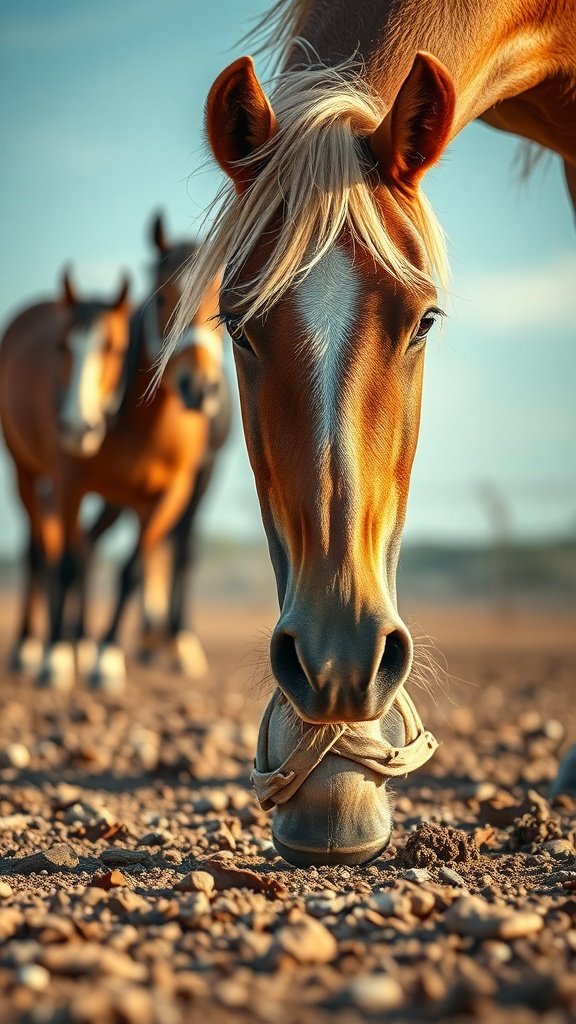
Understanding Why Horses Paw the Ground: Behavioral Insights
Horses are magnificent creatures, and their behaviors can often be fascinating to observe. One behavior that leaves many horse owners and enthusiasts puzzled is pawing the ground. If you’ve noticed your horse engaging in this action, you may wonder: What does this behavior mean? Understanding why horses paw the ground can help you connect more deeply with your horse and address any concerns that may arise.
Horses may paw the ground for various reasons, and it’s essential to identify the cause to determine if action is needed. Below are some common reasons horses exhibit this behavior:

- Excitement or Anticipation: Horses occasionally paw when they are excited, especially when anticipating a meal, a ride, or some other enjoyable activity. This behavior can be a way for them to express their eagerness.
- Annoyance or Frustration: If your horse is in a situation where it feels bored or frustrated, pawing can become a way to release that energy. For instance, horses confined in a stall for extended periods might paw at the ground to pass the time.
- Seeking Attention: Some horses learn that pawing can attract their owner’s attention. If they receive a response after pawing, they might continue doing it to get more interaction.
- Discomfort or Pain: In some cases, horses paw as a sign of discomfort. If your horse suddenly begins pawing and combines this behavior with other signs of distress (like restlessness or sweating), it might indicate pain or colic. It’s crucial to monitor their behavior closely.
- Herd Instincts: Horses naturally engage in communication with each other. Pawing can be seen as a way to signal to other horses about territory or social dynamics.
While some instances of pawing are perfectly normal and harmless, there are situations where you should be concerned. Here are signs to watch for that indicate a deeper issue:
- Sudden Change in Behavior: If your horse that typically does not paw suddenly begins to paw persistently, this change may be a cause for concern.
- Signs of Distress: Look for other indications of discomfort, such as shifting weight, rolling, or looking at their belly. These signs may suggest that something is wrong.
- Excessive Pawing: If your horse is pawing excessively, it could lead to injuries or poor ground conditions around its living area.
Understanding the context of your horse’s pawing is essential. Observe when and where your horse tends to paw the ground. For example, is it mostly in its stall, during feeding, or while turned out in the pasture? This context can provide valuable insights into the behavior.
To address pawing behavior, consider these steps:
- Provide More Enrichment: If your horse is bored, consider adding toys or engaging activities to keep it occupied.
- Ensure Comfort: Regularly check that your horse is comfortable, healthy, and pain-free. A veterinarian can help if you suspect any underlying health problems.
- Set Boundaries: If your horse paws for attention, try ignoring the behavior and rewarding it when it stands calmly instead.
Ultimately, your connection with your horse relies on understanding its behaviors. By observing carefully and knowing the signs of distress, you can address pawing appropriately. Your horse’s well-being depends on communication, care, and attention to its needs. As you learn more about equine behavior, you’ll find that you can foster a stronger bond and a healthier environment for your horse.
Click Here to Explore All Things Equestrain, From Stables to Lessons and Free Ebooks
In caring for your horse, remember to stay observant and responsive. The more you understand why horses paw the ground, the better equipped you’ll be to manage their needs and behaviors effectively.
Common Triggers for Ground Pawing in Horses
Understanding why horses paw the ground can help you better interpret their behavior. Pawing is a natural and instinctive action, but it can also indicate various underlying causes. Knowing these triggers not only enhances your handling of horses but can also keep them healthy and happy.
One of the most common reasons horses exhibit pawing behavior is boredom. Horses are intelligent and social animals. When they feel under-stimulated or isolated, they might resort to pawing as a way to entertain themselves. This behavior can be more pronounced in stabled or confined horses. If you notice your horse pawing consistently, consider increasing their daily exercise or interaction with other horses.
Another frequent trigger for pawing is anxiety or stress. Horses are incredibly sensitive to their environment, and sudden changes can cause distress. Factors such as new surroundings, unfamiliar noises, or the arrival of other animals can lead a horse to paw the ground. If your horse begins pawing after a change in routine, it’s essential to identify the stressor and provide reassurance to help them feel secure.
Pawing can also indicate discomfort or pain. This is especially true if the behavior is new and persistent. Horses might paw when they feel discomfort in their hooves or legs, as it helps them shift weight or relieve pressure. Regular hoof care and monitoring for signs of injury can prevent these issues. If you suspect your horse is pawing due to pain, consulting with a veterinarian is crucial.
Feed-related issues can trigger pawing as well. Horses may paw when they are hungry, especially if they have been on a restricted diet or if meals are not consistent. Similarly, a horse might paw to signal to their owner or caregiver that they need attention during feeding time. Monitoring your horse’s feeding routine and ensuring they receive adequate nutrition can help reduce this behavior.
Click Here to Explore All Things Equestrain, From Stables to Lessons and Free Ebooks
Additionally, the presence of other horses can lead to pawing, particularly in herd settings. Dominance plays a role in herd behavior, and a horse might paw to assert itself or communicate with others. This is especially common in young horses that are figuring out their social dynamics. Observing group interactions can offer insights into your horse’s social status and behaviors.
Another factor to consider is the horse’s breed and temperament. Some breeds are naturally more active and energetic, which can result in more frequent pawing behaviors. For instance, Thoroughbreds and Arabians are known for their high energy levels and may paw as a way to express that energy. Understanding your horse’s breed characteristics and adjusting their environment accordingly can help mitigate excessive pawing.
In certain situations, horses might also paw as a sign of learned behavior. If a horse discovers that pawing leads to receiving attention or something desirable, they might continue the behavior. This can be counterproductive, as it reinforces the pawing behavior instead of addressing the root cause. To counteract this, focus on reinforcing positive behaviors rather than giving attention during pawing episodes.
- Boredom: Lack of stimulation or social interaction.
- Anxiety or Stress: Response to environmental changes or unfamiliar stimuli.
- Pain or Discomfort: Potential signs of hoof or leg issues.
- Hunger: Signs of an inconsistent feeding routine or an empty stall.
- Herd Dynamics: Communication or dominance signaling among other horses.
- Breed Characteristics: Naturally energetic breeds, such as Thoroughbreds or Arabians.
- Learned Behavior: Pawing as a way to receive attention or rewards.
Monitoring your horse for changes in their pawing behavior can help you better diagnose underlying issues. If the behavior becomes excessive or repetitive, consult with a veterinarian or an equine behaviorist. They can offer guidance on managing your horse’s habits and ensuring they remain calm and happy.
Understanding the common triggers for ground pawing in horses allows you to provide better care for your equine companion. Whether it’s boredom, anxiety, or something more serious, paying attention to your horse’s behavior is crucial in maintaining their well-being. By addressing the underlying causes, you can foster a harmonious relationship with your horse and a healthier life overall.
The Physical Health Implications of Pawing Behavior
Pawing behavior in horses, while often perceived as a mere quirk, can significantly affect their physical health. Understanding the reasons behind this action and its potential implications is essential for every horse owner and caretaker. Horses may paw the ground for various reasons, including anxiety, boredom, or a response to environmental stimuli. However, excessive pawing has the potential to lead to several physical concerns.
Click Here to Explore All Things Equestrain, From Stables to Lessons and Free Ebooks
Understanding Pawing Behavior
First, it is critical to understand why a horse might paw the ground. This behavior can stem from:
- Physical discomfort: A horse that is in pain or discomfort, potentially due to injury or an underlying health issue, might paw as a way to express their unhappiness.
- Boredom: Horses are intelligent creatures that require mental stimulation. If they are kept in a stalled environment with little to do, they may resort to pawing as a form of self-entertainment.
- Anxiety or stress: A change in environment or routine can trigger anxiety in horses. Pawing can be a coping mechanism when they feel stressed.
- Expectation of food or attention: Some horses learn that pawing the ground attracts attention, whether for treats or human interaction.
Physical Health Risks Associated with Pawing
While occasional pawing may not pose serious health risks, persistent or excessive pawing behavior can lead to several physical issues:
- Joint Strain: Continuous pawing can put undue stress on a horse’s joints, particularly in the front legs. Over time, this can lead to conditions such as arthritis.
- Trauma to the Hoof: Pawing on hard surfaces can cause wear and tear on the hoof, leading to cracks or bruises. This can result in painful hoof conditions if not monitored and managed properly.
- Falls and Injuries: Horses that paw excessively might not be fully aware of their surroundings, increasing the risk of trips and falls. Such incidents can sometimes lead to serious injuries.
- Colic Risks: In certain cases, pawing could correlate with discomfort in the abdomen, such as colic. If a horse paws and displays signs of distress, it could indicate a more severe issue that requires immediate veterinary attention.
When to Be Concerned
Recognizing when pawing becomes a cause for concern is crucial for ensuring your horse’s well-being. It’s essential to observe the following:
- If the pawing is accompanied by other signs of discomfort, such as sweating, restlessness, or unusual behavior, it’s time to consult a veterinarian.
- If the pawing occurs frequently and disrupts regular behavior patterns, this may indicate a deeper issue.
- Take note if your horse starts pawing after a change in environment, diet, or routine. This could correlate with stress or anxiety.
- Monitor the duration and frequency of the pawing. Excessive pawing, especially in a short period, may point to physical or psychological problems.
Managing Pawing Behavior
There are several strategies you can implement to manage pawing behavior in horses effectively:
- Provide more physical activity: Ensuring your horse has regular exercise can alleviate boredom and anxiety.
- Maintain a stimulating environment: Engage your horse’s mind with toys or changes in routine to reduce boredom-related pawing.
- Consult a veterinarian: If pawing is excessive or concerning, a thorough health check can rule out any underlying medical issues.
- Behavioral training: Work with a trainer or equine behaviorist to address and modify your horse’s pawing habits.
Understanding pawing behavior in horses lets you provide them with a healthier, happier life. Keeping a close eye on your horse’s habits and knowing when to seek professional help can prevent potential health issues before they arise.
How to Respond When Your Horse Pawns the Ground
When you notice your horse pawing the ground, it can be a bit perplexing. Understanding why your horse exhibits this behavior is crucial for a responsive approach. Horses paw for various reasons, and knowing how to respond can help you ensure their well-being.
Click Here to Explore All Things Equestrain, From Stables to Lessons and Free Ebooks
Firstly, it’s important to recognize that pawing can often be a way for horses to express their emotions. This behavior may indicate excitement or impatience, especially if they are waiting for a meal or anticipating a trail ride. If this is a sporadic event, it may be perfectly normal.
However, frequent pawing can sometimes signify discomfort or stress. Here are some key things to consider:
- Assess the Environment: Check if there are any changes in your horse’s surroundings. New animals, sounds, or unusual activity could trigger pawing.
- Observe Behavior: Monitor if the pawing is accompanied by other signs of distress, such as pacing or loss of appetite. This can help you identify if the pawing is a sign of discomfort.
- Routine Changes: A shift in feeding schedules or exercise routines may also be a factor. Ensuring consistency can reduce anxiety and the urge to paw.
- Check for Pain: If your horse is pawing excessively, it could be a sign of pain. Watch for signs like limping, refusal to move, or consistent irritation.
If you determine that the pawing is due to impatience or excitement, try to redirect that energy positively. For instance, engage your horse in an activity. You could take them for a workout or provide an interactive toy to keep them occupied. This can help alleviate boredom and provide them with stimulation. Remember, a well-exercised horse is typically a happy horse.
In cases where you suspect that pawing stems from discomfort or pain, your next steps should be more cautious. It’s essential to conduct a thorough examination of your horse:
- Check for Signs of Injury: Run your hands along their legs and hooves. Feel for any heat, swelling, or sensitivity, which could indicate an underlying issue.
- Consult a Veterinarian: If you find anything unusual or if the behavior continues, it’s best to consult a veterinarian. They can examine your horse and perform necessary tests to diagnose any potential health issues.
- Assess Diet: Sometimes, pawing can indicate an upset stomach or digestive problems. Review their diet and ensure they’re receiving proper nutrition.
Responding to your horse’s pawing properly can help ease their stress or discomfort. Providing a tranquil environment can greatly influence your horse’s mood. Make sure they have a safe, quiet space where they can relax away from noise and distractions.
Click Here to Explore All Things Equestrain, From Stables to Lessons and Free Ebooks
Another aspect to consider is the social dynamics within your herd. Horses are social creatures, and if they feel isolated or stressed about their place in the hierarchy, they might display pawing behavior. Ensure they have ample social interaction with companions that they are comfortable with.
Additionally, be mindful of the training methods you use. Parametric training techniques can be beneficial. Instead of punishing the pawing behavior, reinforce positive alternatives like standing calmly. Positive reinforcement encourages your horse to choose behaviors you prefer while reducing anxiety.
If your horse is pawing in anticipation of food, consider training them to remain calm until mealtime. This proactive measure can help manage their expectations and develop good manners around feeding time.
Recognizing the reasons behind your horse’s pawing behavior is key to responding effectively. Whether it’s boredom, excitement, discomfort, or social stress, your response can significantly impact their emotional well-being. Actively engage with your horse, monitor their health regularly, and adjust their environment and routines as necessary. By understanding and addressing the root cause, you can support your horse’s overall happiness and health.
Training Techniques to Minimize Ground Pawing in Horses
Horses exhibit various behaviors, and one common action is pawing the ground. This can be a sign of frustration, boredom, or discomfort. When a horse frequently paws, it’s essential to train them to minimize this behavior for their well-being and your peace of mind. There are effective training techniques to help reduce ground pawing in horses.
The first step in addressing pawing is to understand its triggers. By identifying the reasons behind this behavior, you can implement specific strategies to manage it. Some common causes include:
Click Here to Explore All Things Equestrain, From Stables to Lessons and Free Ebooks
- Boredom: Horses are intelligent and active animals. Lack of stimulation can lead them to engage in unwanted behaviors like pawing.
- Anxiety: Stressful environments or experiences may cause a horse to paw as a coping mechanism.
- Discomfort: Pain or discomfort, whether from an injury, dental issue, or improper saddling, can also lead to ground pawing.
Once you pinpoint the cause, you can use a combination of training techniques to minimize this behavior.
One effective approach is to provide adequate physical and mental stimulation. Keeping your horse engaged is crucial in reducing boredom-related pawing. Consider the following methods:
- Regular Exercise: Ensure your horse gets enough exercise through daily riding or lunging sessions. Engaging them physically will help burn off excess energy.
- Groundwork Exercises: Work on simple groundwork exercises that require your horse to focus and respond to commands. This not only keeps them occupied but also enhances your bond.
- Interactive Toys: Toys designed for horses can provide mental stimulation. These can keep them occupied, especially when in a confined space.
Another technique involves positive reinforcement. When training your horse, rewarding desirable behavior is key. This encourages them to repeat good habits. Here’s how to implement positive reinforcement:
- Reward Calm Behavior: When your horse stands quietly or exhibits calm behavior, offer treats or praise. This can help them associate calmness with positive outcomes.
- Redirect Attention: If you notice your horse beginning to paw, redirect their focus with a command or interaction. When they stop pawing, reward them immediately.
- Consistency is Key: Make sure to consistently reward good behavior to reinforce the desired actions. This builds a clear understanding of the behavior you expect from them.
In cases where pawing is related to anxiety, creating a more relaxed environment can be beneficial. Consider these additional strategies:
- Routine: Horses thrive on routine. Try to maintain a consistent schedule for feeding, exercising, and training.
- Calming Products: There are several calming products available, such as supplements or calming wraps. Consult with a veterinarian for recommendations that suit your horse.
- Safe Space: Make sure your horse has a comfortable and safe space where they can retreat when they feel overwhelmed.
If physical discomfort is suspected as the cause of pawing, it’s essential to consult a veterinarian. They can help with diagnosing any underlying issues and recommending appropriate treatment. Always prioritize your horse’s health and wellness.
Click Here to Explore All Things Equestrain, From Stables to Lessons and Free Ebooks
Keep communication open with your horse. Understanding their body language is crucial in addressing pawing behavior. Signs like flattened ears, tail swishing, and tense muscles can indicate discomfort or stress. Being aware of these signals will help you respond promptly to their needs.
Training a horse to minimize ground pawing requires time and patience. Remember that every horse is unique and may respond differently to various techniques. With consistent effort and a focus on positive reinforcement, you can effectively reduce pawing behavior while fostering a healthy and trusting relationship with your horse.
Conclusion
Recognizing the reasons behind why horses paw the ground is crucial for any horse owner or caretaker. This behavior often stems from natural instincts, boredom, anxiety, or even physical discomfort. Understanding these behavioral insights can help you decipher what your horse is trying to communicate. By identifying common triggers, such as changes in environment or routine, you can take proactive steps to address your horse’s needs.
It’s essential to consider the physical health implications of pawing. If you notice your horse frequently engaging in this activity, it may indicate underlying issues that warrant further investigation. Consulting with a veterinarian can help rule out any pain or discomfort that might be causing the behavior.
When your horse starts pawing, how you respond matters. Remaining calm and assessing the situation can help reassure your horse that all is well. Applying effective training techniques can significantly minimize this behavior, enabling you to foster a more relaxed and engaged horse. Methods like positive reinforcement and providing enriching activities can transform this habit into a more positive expression of energy.
By incorporating a thoughtful approach that combines understanding, observation, and training, you can support your horse’s emotional and physical well-being. Empowering yourself with knowledge allows you to create an environment where your horse feels secure and content, ultimately reducing unwanted behaviors like ground pawing. Remember, a happy horse is a healthy horse!
Click Here to Explore All Things Equestrain, From Stables to Lessons and Free Ebooks