
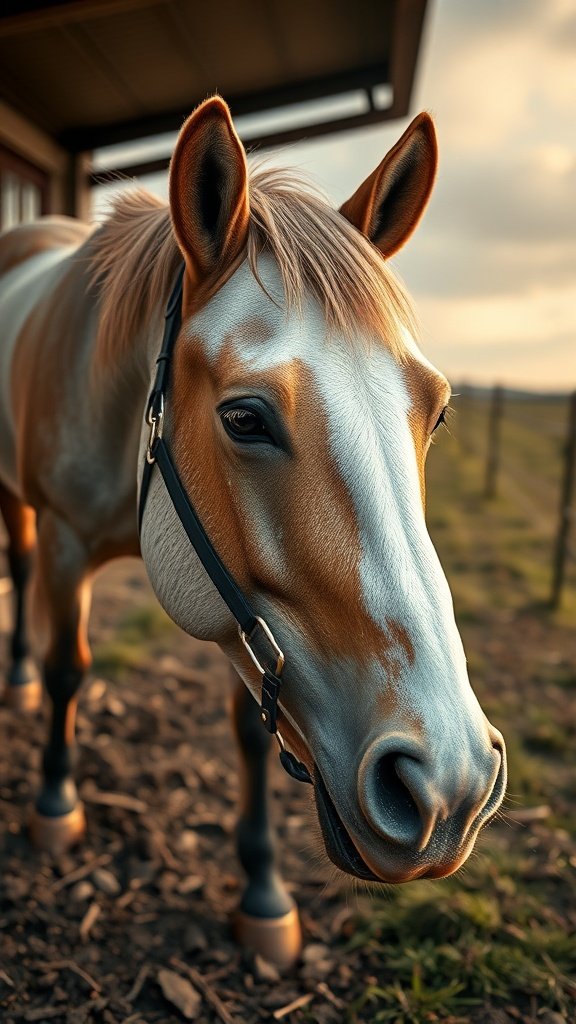
Understanding Why Your Horse Struggles With Collection
Collection is a critical aspect of a horse’s performance, allowing for better balance, responsiveness, and overall engagement. However, many horse owners and riders encounter challenges when their horses struggle with this fundamental skill. Understanding the underlying reasons for this difficulty can lead to more effective training methods and stronger partnerships between horse and rider.
Physical Factors Affecting Collection
One of the primary reasons your horse may struggle with collection can be attributed to physical limitations. Here are a few factors to consider:

- Muscle Development: Horses need strong hindquarters to develop proper collection. Insufficient strength in the glute and hindlimb muscles can make it difficult for them to engage their back and lower their heads.
- Flexibility: Rigidity in the neck, back, or hindquarters can restrict your horse’s ability to achieve the desired frame. Stretching exercises and regular work can improve flexibility.
- Conformation: A horse’s conformation can heavily influence its ability to collect. Horses with long necks may naturally find it harder to round off, while others may have built-in mechanical advantages depending on their body structure.
Training Techniques That Promote Collection
Improper training techniques can hinder progression toward collection. Consider implementing the following strategies for better results:
- Short Sessions: Keep training sessions brief but focused. This prevents fatigue and keeps your horse engaged in learning.
- Gradual Progression: Start with basic commands and gradually introduce more complex movements. This creates a stronger foundation for collection.
- Varied Workouts: Include different exercises such as circles, serpentines, and lateral movements. These encourage your horse to shift weight and develop balance.
Understanding Mental Blocks
The mental aspect can be just as important as physical readiness. Your horse’s mindset can impact its ability to collect effectively. Here are some issues to be aware of:
- Confidence: A horse lacking confidence in its own abilities may hesitate to engage fully during collection work. Building this confidence through gradual exposure and positive reinforcement is crucial.
- Distractions: External factors, such as noise, other animals, or even the presence of other riders, can make it difficult for a horse to focus. Ensure your training environment is calm and free from distractions whenever possible.
- Communication: A mismatch in communication between horse and rider can create confusion. Effective cues and consistent handling build trust and understanding, making the horse more receptive to collection.
Health Considerations
Before starting or continuing collection training, it’s essential to rule out any health issues. If your horse shows signs of discomfort or resistance, consider the following:
- Veterinary Checkup: Consult with a veterinarian to rule out pain or injury that may hinder movement. Lameness or discomfort often manifests as unwillingness to collect.
- Dental Care: Dental health is crucial for overall well-being. Pain can arise from dental issues that prevent your horse from accepting the bit properly.
- Nutrition and Conditioning: Proper nutrition plays a role in muscle development and energy levels. A well-balanced diet tailored to your horse’s needs can contribute to improved physical capabilities.
In the journey toward achieving effective collection, understanding why your horse struggles can unlock pathways for improvement. By addressing physical, training, mental, and health-related factors, you can help your horse become more balanced, responsive, and confident. Remember, consistent training, patience, and care are key to making progress in this vital area.
Common Physical Barriers to Achieving Collection in Horses
Achieving collection in horses is a crucial aspect of riding and training, enabling the animal to perform well while maintaining balance and grace. However, many riders face challenges when attempting to get their horses into a collected frame. Often, this struggle arises from various physical barriers that can hinder progress in achieving the desired level of collection.
Click Here to Explore All Things Equestrain, From Stables to Lessons and Free Ebooks
Understanding these barriers is the first step toward improvement. Here are some common physical challenges that can limit your horse’s ability to collect:
Improper Muscle Development
One of the most significant factors is improper muscle development. Horses require specific muscle groups to engage properly for collection. If these muscles are underdeveloped or unconditioned, it can lead to difficulty in maintaining a collected frame. Look for signs of uneven muscle development along the horse’s back and neck, as this can directly influence their ability to collect.
Back Pain
Another critical concern is back pain. A horse experiencing discomfort in this area can struggle to round its back effectively. Problems like sore muscles, spinal issues, or even saddle fit can contribute to back pain. Signs you could look for include reluctance to bend, bucking, or stiffness in movement. Regular veterinary check-ups and proper saddle fitting are essential to address these issues.
Lack of Flexibility
Flexibility is vital for collection. A horse that lacks the ability to bend through its body struggles with achieving a rounded outline. If your horse shows stiffness in its joints or tends to resist bending or lateral movements, it may need specific flexibility exercises. stretching routines and varied movements can gradually improve the horse’s overall suppleness.
Poor Quarter and Hip Engagement
The horse’s hindquarters play a powerful role in achieving collection. If a horse has weak or poorly engaged hindquarters, it cannot push off the ground effectively. This can cause an inability to elevate the forehand, resulting in difficulty with collection. Look for exercises that emphasize strengthening the hindquarters, like hill work or transitions between gaits.
Click Here to Explore All Things Equestrain, From Stables to Lessons and Free Ebooks
Inadequate Ground Work
The groundwork you do with your horse significantly impacts its ability to collect. Horses that lack proper groundwork may not understand basic responses, such as yielding to pressure or moving off the leg, which are vital for collection. Consider enhancing your groundwork routines to establish clear communication and teach your horse how to move off your cues effectively.
- Establish clear cues on the ground.
- Incorporate long-lining exercises.
- Use poles or small jumps to enhance understanding of movement.
Rider Technique
It’s essential to recognize that physical barriers may not solely stem from the horse. The rider’s technique also plays a pivotal role in achieving collection. Incorrect aids or an unbalanced seat can prevent the horse from engaging correctly. Ensuring that you have a solid foundation in riding basics can significantly impact the collection process. Consider working with a trainer to refine your riding skills, focusing on correct leg, rein, and seat aids.
Footing and Surface Issues
While it may not be a direct physical barrier of the horse, the footing and surface you’re working on can affect your horse’s ability to collect. Slippery or uneven surfaces can cause hesitation and limit movement. Ensure your riding area is safe and caters to the training your horse is undergoing. A well-maintained arena or riding path allows for better traction and encourages proper movement.
Addressing these physical barriers requires patience and understanding. Each horse is unique, and what works for one may not work for another. Developing a training plan that focuses on physical conditioning, rider technique, and addressing pain or discomfort will enable both horse and rider to achieve a fruitful partnership in learning collection.
The Importance of Rider Position and Technique in Collection
Rider position and technique play crucial roles in a horse’s ability to collect properly. When a horse collects, it engages its hindquarters, balances its body, and allows for smoother movements. However, if the rider’s position is incorrect or their technique lacks precision, the horse may struggle to achieve optimal collection. Understanding the nuances involved can help riders adjust their approach and improve their horse’s performance.
Key Elements of Rider Position
Proper rider position is foundational for effective collection. Here are several critical components to consider:
Click Here to Explore All Things Equestrain, From Stables to Lessons and Free Ebooks
- Seat Alignment: The rider’s seat should remain centered in the saddle. This central position allows for balanced weight distribution and helps the horse engage its hindquarters effectively.
- Leg Position: The rider’s legs should hang naturally against the horse’s sides. A relaxed leg aids in providing consistent, gentle cues to the horse, which is essential for encouraging collection.
- Upper Body Position: An aligned upper body, with shoulders back and relaxed, enables the rider to maintain communication with the horse. Avoiding slouching or leaning helps keep the horse focused and balanced.
- Hands and Reins: The rider’s hands should be steady and positioned in front of the saddle. Using light and consistent pressure on the reins helps to guide the horse without causing confusion.
Importance of Balance and Movement
For collection to occur effectively, the horse must achieve balance that supports dynamic movement. When the rider’s position is out of balance, the horse may react defensively, leading to resistance in collection. Here are ways to ensure harmony between horse and rider:
- Use Your Core: A strong core helps riders maintain stability. This stability provides a solid foundation for asking the horse to collect.
- Practice Transitions: Regularly practicing transitions between gaits enhances the horse’s ability to collect. These exercises foster physical and mental flexibility.
- Stay Relaxed: Tension in the rider can transfer to the horse. Staying calm and relaxed helps improve the horse’s disposition, making collection easier to achieve.
Techniques for Encouraging Collection
While positioning is vital, specific techniques can further promote collection. Here are some strategies to incorporate during training:
- Half-Halts: Effective half-halts communicate to the horse that it needs to slow down, rebalance, and engage its hindquarters. Practice these frequently to enhance responsiveness.
- Cavaletti Work: Using cavalettis encourages the horse to raise its back and engage its hindquarters. This exercise develops strength and flexibility.
- Circles and Lateral Work: Riding circles forces the horse to engage its inside hind leg, which is crucial for collection. Additionally, lateral movements encourage better body awareness.
Understanding Horse Behavior
The horse’s behavior can provide insights into how well a rider is achieving collection. If your horse shows signs of resistance, it may indicate that something in your position or technique needs adjustment. Pay attention to the following:
- Head Carriage: A horse that tilts its head or raises it excessively may be resisting engagement. This could be a sign of discomfort or confusion regarding the cues given by the rider.
- Back Musculature: A hollow back indicates the horse is not collecting properly. Working on maintaining a rhythm and consistent contact can encourage proper engagement.
- Progressive Learning: Understand that achieving collection is a process for both horse and rider. Be patient and persistent in your training efforts.
Improving collection requires both the rider and horse to work in harmony. By focusing on rider position and employing effective techniques, you can facilitate a more productive and enjoyable training experience. When both elements align, you will witness noticeable advancements in your horse’s collection, leading to better overall performance.
Exercises and Techniques to Improve Your Horse’s Collection
Improving your horse’s collection is essential for developing a harmonious partnership and achieving excellence in riding. Collection enhances your horse’s balance, responsiveness, and movement while promoting overall wellbeing. Here are some exercises and techniques that you can implement to help your horse collection shine.
Engaging Forward Movement
Your horse must first move forward freely before you can begin working on collection. Start with basic exercises that stimulate energy and engagement. A few effective methods include:
Click Here to Explore All Things Equestrain, From Stables to Lessons and Free Ebooks
- Long and Low Work: Begin at a walk, allowing your horse to stretch his neck down and forward. This helps relax the back and encourages a swinging motion through the hindquarters.
- Transitions: Practice transitions between gaits. Asking your horse to move from walk to trot, trot to canter, and back again builds strength and responsiveness.
- Cavaletti: Incorporate cavaletti or poles to encourage active engagement of the hindquarters while maintaining a good rhythm.
Establishing a Connection
Creating a strong connection between you and your horse is vital for effective communication. To improve your horse’s collection, work on the following:
- Softening the Rein: Gently pull on the reins and feel for your horse’s response. You want a light, responsive feel without forcing her into position. This encourages a balance of engagement and relaxation.
- Leg Aids: When applying your leg, do so with intention. Your horse should understand to move forward and engage his back end in response to your aids.
- Mindfulness: Be attentive to your horse’s body language and adjust accordingly. A relaxed horse is more likely to respond positively when you begin to ask for collection.
Lateral Work
Lateral movements are powerful tools for improving your horse’s collection. These exercises promote flexibility and encourage your horse to engage their core. Try these techniques:
- Shoulder-In: This movement shifts your horse’s weight to the hindquarters while keeping the forehand on a diagonal line. Begin at a walk, then progress to trot and canter as your horse becomes more comfortable.
- Haunches-In: Similar to the shoulder-in, but the haunches are moved inwards instead. This works the hindquarters and encourages the horse to lift the front end.
- Side Pass: This movement teaches your horse to move sideways while remaining on the same line. It helps improve body awareness and strengthens the muscles needed for collection.
Working On Circles and Arcs
Circles and arcs help build your horse’s strength and flexibility. They can be beneficial for transitioning into collected movements. Consider these practices:
- Small Circles: Reducing the size of your circles encourages your horse to engage his inner hind leg and refine his balance.
- Figure Eights: This exercise switches the bend and encourages engagement from both sides of your horse’s body.
- Half-Passes: Once your horse is more advanced, half-passes can raise the level of collection required from your horse, promoting additional strength and finesse.
Building Strength Through Gymnastic Exercises
Gymnastic exercises can help to build strength, coordination, and ultimately, collection in your horse. Incorporate the following:
- Jumping Exercises: Set up a series of small jumps or cavaletti in sequence. This activity encourages your horse to engage his hindquarters while maintaining proper rhythm and form.
- Back Extensions: Teach your horse to back up willingly and without resistance. This works the stomach and hindquarter muscles and may ease the process of collection related movements.
- Groundwork: Don’t underestimate groundwork techniques in building strength and collection. Use ground poles or other aids to promote bending and flexibility while establishing a connection.
By incorporating these targeted exercises and techniques into your training routine, you can create a stronger, more connected horse capable of achieving remarkable collection. Remember that patience and consistent practice are key to fostering improved performance and a deeper partnership with your horse.
How Mental State Affects Your Horse’s Ability to Collect
When it comes to the art of riding and training your horse, one essential element that influences performance is the horse’s mental state. Understanding how your horse’s mood and mental clarity affect their ability to collect can significantly enhance your training sessions. Collection in horseback riding refers to how well your horse can shift their weight onto their hindquarters, resulting in a more balanced and responsive performance. If your horse is struggling with collection, it may not solely be about physical capabilities; their mental state plays a crucial role.
Click Here to Explore All Things Equestrain, From Stables to Lessons and Free Ebooks
Horses, like humans, can experience a range of emotions that affect their behavior. A calm, confident horse is usually more receptive to training and collection exercises. Conversely, anxiety, fear, or frustration can impede your horse’s ability to gather themselves, leading to ineffective training sessions. Here are some mental factors that may affect your horse’s ability to collect:
- Stress Levels: Stress can come from various sources such as changes in environment, loud noises, or even changes in your routine. A stressed horse often finds it difficult to focus, which can hinder their willingness to collect.
- Fear or Anxiety: If your horse feels threatened or anxious, they may become braced or tense. This tension makes it almost impossible for them to relax and shift their weight properly to achieve collection.
- Previous Experiences: Horses have excellent memories. If they’ve had negative experiences associated with collection exercises, they may become resistant or reluctant to engage. Building trust is key.
- Physical Discomfort: Sometimes, what seems like a mental struggle may have a physical basis. Ensure your horse is comfortable, and check for any signs of pain that might affect their behavior.
- Motivation: Just like us, horses are motivated by rewards. If the training doesn’t seem engaging or rewarding, they may lack the enthusiasm needed to work on collection.
Promoting a positive mental state in your horse requires a multifaceted approach. Here are some strategies that may help improve their focus and willingness to collect:
- Create a Safe Environment: Spend time with your horse in a safe and quiet area. Minimizing distractions can help them feel more relaxed and secure.
- Use Positive Reinforcement: Reward your horse for small achievements during training. This builds their confidence and encourages them to try again in the future.
- Incorporate Groundwork: Groundwork exercises can help strengthen your horse’s understanding of collection while boosting their trust in you. This leads to a more cooperative attitude when mounted.
- Set Realistic Goals: Avoid overwhelming your horse with high expectations. Break training down into smaller, achievable tasks. Each small success can build their confidence.
- Maintain Consistent Routines: Horses thrive on routine. Keeping a consistent training schedule helps them predict what will happen and can reduce anxiety and stress.
Being aware of your horse’s mental state is essential for effective training. An anxious or fearful horse will struggle to grasp the concept of collection, while a happy and relaxed horse will be eager and quick to respond. Building a bond with your horse, understanding their individual personality, and paying close attention to their mental cues can significantly enhance their ability to collect.
Sometimes, it might be helpful to work with a professional trainer who can assess both the physical and mental aspects of your horse’s performance. Remember that your experience with your horse should also be enjoyable. Keep the training sessions light and positive, allowing your horse to thrive and progress at their own pace.
Ultimately, a horse that is mentally engaged and relaxed will be naturally inclined to collect. By focusing on their emotional well-being, you’ll pave the way for better communication, trust, and performance in your riding endeavors.
Conclusion
Improving your horse’s collection is a holistic journey that requires attention to both physical and mental aspects. Understanding why your horse struggles with collection is the first step. Identifying common physical barriers, such as muscle tension, lameness, or poor saddle fit, can help you determine the right course of action. Equally important is your positioning and technique as a rider; a well-balanced seat and clear aids can make a significant difference in how your horse responds to collection cues.
Click Here to Explore All Things Equestrain, From Stables to Lessons and Free Ebooks
Targeted exercises into your training routine can enhance your horse’s strength and flexibility, making collection more attainable. These techniques can range from groundwork to saddle work that focuses on developing the core and back muscles necessary for effective collection. Remember to be patient; progress may be gradual and requires consistent practice.
Paying attention to your horse’s mental state is crucial. Just as humans can be influenced by their emotions, horses can also feel stressed or anxious, which can affect their ability to collect. A calm, relaxed horse is more likely to respond positively to your requests, making the process smoother for both of you.
By addressing these various elements—physical barriers, rider technique, tailored exercises, and mental well-being—you can pave the way for your horse to improve its collection. This journey fosters not only better performance but a deeper bond between you and your equine partner. Keep experimenting, learning, and adapting, and you’ll find the balance necessary to enhance your horse’s abilities in collection.