
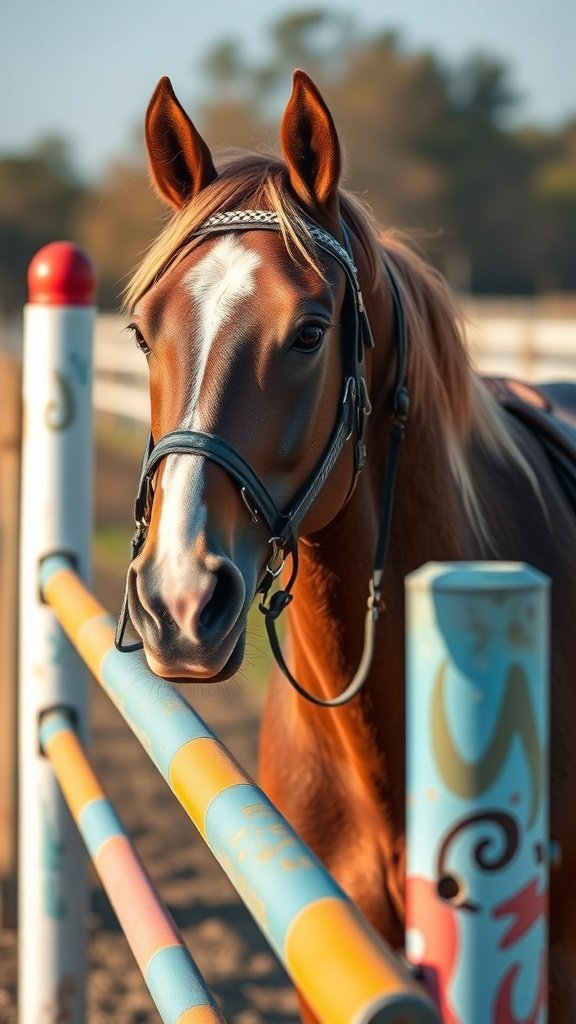
Understanding Why Horses Refuse Obstacles: Common Causes and Concerns
Every equestrian encounters the moment when a horse refuses to jump an obstacle. This behavior can be frustrating and puzzling for riders. Understanding the reasons behind these refusals is key to improving performance and ensuring a fulfilling experience for both horse and rider. You might find that there are several common causes for this issue, ranging from physical discomfort to psychological barriers.
Physical Discomfort
One major reason horses refuse obstacles is physical discomfort. If your horse is in pain, whether from an injury or just general fatigue, he may not feel up to the challenge. Common causes of physical discomfort include:

- Lameness: A horse with any form of lameness may hesitate or refuse jumps. Regular veterinary checks can help identify and treat lameness promptly.
- Saddle Fit: An ill-fitting saddle can cause pain and make your horse resistant to jumping. Pay attention to signs like resistance or unwillingness to perform.
- Fatigue: Overworking your horse can lead to exhaustion. Ensure that your horse has enough strength and stamina to tackle the obstacles.
Lack of Confidence
A horse’s confidence plays a huge role in its willingness to jump. If a horse has had a bad experience, it might become wary of jumping altogether. Signs your horse may lack confidence include:
- Refusing repeatedly: If your horse consistently declines to jump, he may be unsure of his abilities.
- Spooking: A horse that spooks at obstacles may need more exposure to them. Providing a safe and controlled environment can help change this perception.
- Behavioral issues: Horses with anxious tendencies may refuse jumps due to fear. Working with a trainer can help build your horse’s confidence.
Understanding Training Gaps
Sometimes a horse refuses obstacles due to a lack of training. Proper groundwork is vital for building skills. Training gaps can appear if:
- Jumping techniques are not taught: If a horse has never been trained to jump properly, it may struggle with obstacles.
- Inconsistent practice: Regular practice is essential. If a horse only jumps occasionally, it may become inconsistent in its performance.
- Inadequate conditioning: Horses need to be conditioned to handle the physical demands of jumping. gymnastic exercises can enhance their skills.
Environmental Influences
The environment can heavily influence a horse’s behavior when jumping. Factors such as location, weather, and even the presence of other horses can lead to refusals. Consider these aspects:
- Distracting surroundings: Unfamiliar or chaotic environments can spook horses. Gradually introducing your horse to new settings promotes comfort and familiarity.
- Weather conditions: Strong winds, heavy rain, or other adverse conditions can cause stress for your horse. Training in various conditions helps build resilience.
- Presence of other horses: Other horses may lead to distractions. Ensure your horse can focus on the task despite external factors.
Rider Influence
As the person in control, a rider’s behavior and confidence can significantly impact how a horse performs. If you exhibit nervousness or hesitation, your horse may pick up on these feelings. Key aspects to consider include:
- Body language: Your posture and movements can either comfort or unsettle your horse. Stay composed to assure your horse that jumping is safe.
- Communication: Use clear aids when guiding your horse. Inconsistent signals can confuse him, leading to refusals.
- Patience: If you push your horse too fast, it can lead to mistakes and refusals. Be patient and allow your horse to learn at his own pace.
A horse that refuses obstacles presents challenges, but it’s also an opportunity for growth. Understanding the reasons behind these refusals empowers you to make changes that will encourage success. By addressing these common issues—physical discomfort, lack of confidence, training gaps, environmental influences, and rider impact—you can foster a better partnership with your horse and enhance his willingness to tackle any obstacle.
The Importance of Rider Confidence in Overcoming Obstacles
Rider confidence plays a crucial role in the ability to overcome obstacles during training and competition. When you are confident in your skills and your horse’s capabilities, it reflects in every aspect of your riding. This mindset not only affects your performance but also the overall relationship you have with your horse.
One of the first steps in building confidence is to understand your horse’s behavior and capabilities. Each horse is different and may react to obstacles in its own unique way. It’s essential to recognize signs of anxiety or hesitation, both in yourself and your horse. When riders feel apprehensive, horses often mirror that lack of confidence, leading to refusals at jumps or other obstacles.
To strengthen your confidence, consider the following strategies:
- Practice Regularly: Frequent practice builds skill and familiarity. The more time you spend riding, the more comfortable you will feel tackling obstacles.
- Start Small: Begin with lower obstacles or simpler tasks. Gradually increasing the difficulty gives both you and your horse time to adjust and gain confidence.
- Visualize Success: Before approaching an obstacle, visualize yourself completing it successfully. This can help ease your nerves and set a positive tone for the ride.
- Stay Positive: Maintain a positive mindset. Celebrate small victories and progress, even if it’s just a clean jump over a tiny log.
- Seek Professional Guidance: Consider working with a trainer. They can provide valuable tips and exercises tailored to your needs, helping increase both your skills and confidence.
Another important aspect of rider confidence is the relationship with your horse. Trust between rider and horse is paramount. Here are ways to build that trust:
- Spend Time Together: Just riding isn’t enough. Spend time grooming, walking, or just hanging out with your horse to build a bond.
- Learn Your Horse’s Language: Understand your horse’s body language and signals. This understanding can help you anticipate their reactions to obstacles.
- Practice Groundwork: Engaging in groundwork exercises not only improves communication but also builds trust and respect.
Improving rider confidence also requires mental preparation. When facing obstacles, mental fortitude is key. Breathe deeply and gather your thoughts before attempting a jump or any challenging maneuver. Taking a moment to focus on your goals can make all the difference.
In addition to improving personal skills, fostering a mutual trust with your horse can lead to better performance overall. A confident rider who establishes a solid connection with their horse often sees improvement in their pet’s responsiveness. Horses that feel secure in their rider’s confidence are more willing to tackle challenges, showcasing their abilities with ease.
Click Here to Explore All Things Equestrain, From Stables to Lessons and Free Ebooks
A pivotal factor in overcoming obstacles involves setting realistic goals. Set achievable goals that challenge you but are also within reach. This helps in measuring progress and adjusting training methods without overwhelming yourself or your horse. Here are ideas for setting effective goals:
- Measure Progress: Track improvements in skills and confidence over time.
- Keep It Simple: Establish clear and straightforward objectives.
- Focus on Fun: Ensure that both you and your horse enjoy the learning process.
Understanding those elements will empower you as a rider. Building rider confidence isn’t just about overcoming physical obstacles; it’s a holistic approach that integrates mental toughness, trust, and effective communication with your horse. This will lead to more successful rides, greater satisfaction, and an enriching experience for both you and your horse.
Ultimately, confidence is a journey. As you work on developing it, remember that setbacks may happen, and that’s a normal part of the process. The key is to remain focused and committed. You will find that over time, the obstacles that once seemed daunting will become manageable challenges that you and your horse can face together.
Effective Training Techniques to Encourage Successful Jumping
Jumping can be a thrilling activity for both horses and riders, yet many horses struggle with obstacles. Understanding how to effectively train your horse can lead to successful jumping experiences. With the right techniques and a compassionate approach, you can encourage your horse to jump confidently. Here are some effective training techniques you can apply.
Understanding Your Horse’s Behavior
Before introducing your horse to jumping, it’s crucial to understand why your horse may refuse obstacles. There are several reasons behind this behavior:
- Fear of Falling: Horses are natural prey animals. Heights and unstable surfaces can induce fear and hesitation.
- Lack of Experience: Young or inexperienced horses may not feel confident approaching jumps.
- Training Deficiencies: If the horse has not been adequately trained, they might not understand what is expected of them.
- Physical Discomfort: Pain or unease from an injury can lead to refusals. Always ensure your horse is physically sound.
Build a Solid Foundation
Proper groundwork is essential to prepare your horse for jumping. Start with basic flatwork to establish responsiveness and trust.
Click Here to Explore All Things Equestrain, From Stables to Lessons and Free Ebooks
- Establish Good Communication: Use clear cues and body language when working with your horse.
- Practice Transitions: Smooth transitions between gaits help develop balance and control.
- Create a Responsive Horse: Focus on your horse’s stop and go cues. A responsive horse will feel more confident approaching jumps.
Introduce Small Obstacles Gradually
Once your horse has a solid foundation in flatwork, introduce small jumps. Start with low obstacles that don’t intimidate them.
- Cavaletti Exercises: Use ground poles or small raised poles to help your horse learn to gauge their stride and develop confidence.
- Progressive Height Increase: Gradually raise the height of obstacles as your horse becomes more confident in their jumping ability.
- Positive Reinforcement: Encourage your horse with praise and rewards when they successfully navigate obstacles.
Focus on Rhythm and Balance
Maintaining rhythm and balance is crucial when jumping. A horse needs to feel secure and confident in their movements.
- Establish a Consistent Pace: Ride at an even pace to help your horse feel more secure.
- Adjust Stride Length: Teach your horse to adjust their stride according to the jump’s distance.
- Use Lateral Exercises: Teach your horse to bend and move laterally, which enhances their overall balance.
Increase Exposure to Obstacles
Horses can become more confident by being exposed to various jumping scenarios. Consider these strategies:
- Jumps of Different Types: Use cross-rails, verticals, and oxers to vary your training.
- Different Locations: Train in new environments to help your horse adapt to different settings.
- Group Training: Consider working with a group where horses can watch and learn from each other. This technique can build their confidence as they see others succeed.
Addressing Physical or Mental Barriers
If your horse continues to refuse jumps, consider potential underlying issues.
- Consult a Veterinarian: If your horse is showing signs of pain, have a professional evaluate them.
- Work with a Trainer: A professional trainer can provide specialized strategies and insights tailored to your horse’s needs.
Successful jumping relies on patience and thoughtful training. By understanding your horse’s behavior, building a solid foundation, and gradually introducing obstacles, you can significantly improve your horse’s confidence and ability to jump successfully. Always prioritize the emotional and physical well-being of your horse throughout the training process. With consistent effort and a positive approach, your horse will grow into a confident jumper in no time.
The Role of Groundwork in Building Trust and Handling Obstacles
Building trust with your horse is essential, especially when you face obstacles during training or competition. Groundwork is a powerful tool that can cultivate this trust and help your horse feel more confident in tackling challenges. Through proper groundwork techniques, you can establish a solid foundation of communication and cooperation with your horse. Let’s explore how groundwork plays a crucial role in nurturing this bond and promoting success with obstacles.
Click Here to Explore All Things Equestrain, From Stables to Lessons and Free Ebooks
Understanding Groundwork
Groundwork involves practicing exercises and movements with your horse while he is on the ground rather than mounted. This practice is designed to enhance the horse’s obedience, flexibility, and responsiveness. Groundwork allows you to create a strong relationship with your horse. Here are some key benefits:
- Improved Communication: Groundwork helps establish a clear line of communication. When your horse responds to your cues on the ground, it shows he understands your signals.
- Establishing Trust: Through groundwork, your horse learns to trust you. As trust builds, your horse becomes more willing to face new challenges, such as obstacles.
- Safety: Working on the ground allows both you and your horse to focus on safety. This is especially important when introducing obstacles.
How Groundwork Builds Trust
Trust is a two-way street. Just as you need to trust your horse, he must trust you in return. Groundwork lays the groundwork—pun intended—for this mutual understanding. Here’s how you can use groundwork to create a trusting relationship:
- Consistency: Being consistent with your commands and actions helps your horse learn what to expect from you. This predictability contributes to a sense of security.
- Positive Reinforcement: Reward your horse with treats or praise when he responds correctly. Positive reinforcement encourages him to repeat good behavior and builds his confidence.
- Patience: Groundwork requires patience. Take your time and don’t rush your horse. By allowing him to learn at his own pace, you strengthen your bond.
Introducing Obstacles
When it comes to introducing obstacles, groundwork prepares your horse both physically and mentally. Before you face an actual jump or any other challenge, consider starting with simple groundwork exercises:
- Leading Over Ground Poles: Place ground poles and lead your horse over them. This exercise teaches him to focus and navigate without fear.
- Backing and Side-Passing: Teach your horse to back up and side-pass. This helps him develop agility and responsiveness, which are crucial when approaching obstacles.
- Circling around Objects: Set up objects for your horse to circle around. This exercise promotes confidence by encouraging him to explore.
Handling Specific Refusals and Fears
If your horse refuses obstacles, it may indicate fear or confusion. Groundwork can help you address these issues effectively:
- Desensitization: Use desensitization techniques to get your horse familiar with the obstacle. Walk him around and let him investigate the jump or barrier.
- Gradual Exposure: Introduce obstacles gradually, starting with smaller and less intimidating structures. Build his confidence step by step.
- Encouraging Exploration: Allow your horse to approach and investigate the obstacles at his pace. This self-exploration promotes confidence and lowers fear levels.
Groundwork is an invaluable aspect of horse training. By building trust, developing communication, and addressing fears through groundwork, you lay a solid foundation for your horse’s success with obstacles. Each session should be approached as an opportunity for you and your horse to grow together. Remember, a confident horse is one that is willing to embrace challenges, and you possess the tools to help him get there.
Recognizing Physical Issues: How Pain and Discomfort Affect Performance
Recognizing physical issues in horses is crucial for understanding how pain and discomfort can significantly affect their performance. Often, riders notice a sudden change in their horse’s behavior, such as refusal to jump or unusual reluctance in training. Identifying these physical problems early on can make a massive difference in your horse’s performance and overall well-being.
Common Signs of Pain and Discomfort
It’s essential to recognize the signs that your horse may be in pain. Here are some common indicators:
- Changes in Movement: If your horse limps, hesitates, or shows uneven gaits, it could indicate discomfort.
- Behavioral Changes: Horses in pain may become more aggressive or shy away from riders.
- Refusal to Jump: A horse that used to jump easily may suddenly refuse, signaling possible physical issues.
- Excessive Sweating: If your horse sweats more than usual during a workout, it might be experiencing discomfort.
- Pawing or Kicking: These are signs of frustration or discomfort and should not be ignored.
As a rider, you may ask yourself, “Why is my horse behaving this way?” It’s important to look beyond mere behavior and consider possible underlying physical issues.
Understanding the Impacts of Pain on Performance
Pain and discomfort can profoundly impact a horse’s performance. Horses, like people, react to pain not just physically but behaviorally as well. When a horse is in pain, its focus may shift from performing tasks to merely coping with discomfort. Some key aspects of how pain can affect performance include:
- Inability to Concentrate: Pain can distract a horse, making it hard for them to focus on jumping, turning, or maintaining speed.
- Loss of Motivation: A horse in pain might become less willing to work or participate in activities they once enjoyed.
- Increased Risk of Injury: When a horse compensates for pain, they may unknowingly put stress on other parts of their body, leading to further injuries.
It’s crucial to address pain early to avoid a cycle of declining performance and additional injuries.
Click Here to Explore All Things Equestrain, From Stables to Lessons and Free Ebooks
Common Physical Issues Affecting Performance
There are several common physical problems that can lead to discomfort and affect performance:
- Joint Problems: Conditions like arthritis can cause stiffness and pain, making it hard for your horse to perform at its best.
- Muscle Strains: Horses can easily strain their muscles during rigorous activities. A strained muscle can lead to significant discomfort.
- Foot Problems: Issues such as laminitis or thrush can cause significant pain and affect movement.
- Colic: Abdominal pain can cause a drastic change in behavior and performance, making the horse lethargic or unresponsive.
Steps to Address Pain and Discomfort
If you notice any signs of pain or discomfort, taking immediate action is vital. Here are some steps you can follow:
- Consult a Veterinarian: A thorough evaluation by a vet is essential to identify the underlying issue.
- Make Adjustments: Consider changes in your training routine to accommodate your horse’s condition.
- Implement a Rehabilitation Program: Your vet may recommend a specific rehab plan to help your horse recover.
- Maintain Regular Check-ups: Consistent veterinary care can help catch issues before they become significant problems.
Understanding your horse’s physical condition can empower you to make informed decisions that enhance its performance and overall health. By recognizing signs of discomfort early, you can help your horse stay healthy, happy, and performing at its best.
Ultimately, a pain-free horse is a more willing horse. So, stay vigilant and be proactive about your horse’s health!
Conclusion
Horses, like any athletes, face challenges when it comes to jumping obstacles. Understanding why your horse refuses these jumps is crucial to finding the right solutions. Common reasons can range from fear or lack of confidence to physical discomfort. As a rider, your confidence plays a pivotal role in how your horse perceives each obstacle. When you project assurance and calmness, your horse is more likely to respond positively.
Implementing effective training techniques is essential for fostering successful jumping experiences. Gradual exposure to different obstacles and rewarding your horse for small victories can build their confidence over time. Additionally, groundwork is a powerful tool that strengthens the bond between you and your horse. This groundwork provides the trust and communication necessary for tackling challenges together.
Click Here to Explore All Things Equestrain, From Stables to Lessons and Free Ebooks
Never overlook the physical aspects of your horse’s performance. Pain or discomfort can drastically affect their willingness to jump. Regular check-ups with a veterinarian or equine physiotherapist can help identify any underlying issues that may be causing refusals. Staying attentive to your horse’s health ensures they are fit and ready to take on the obstacles ahead.
By combining a deep understanding of why horses refuse obstacles with confidence-building techniques, effective training strategies, and ongoing health assessments, you can create a successful, enjoyable jumping experience. Remember, building trust and addressing concerns will pave the way for improved performance and a happier partnership with your horse.