
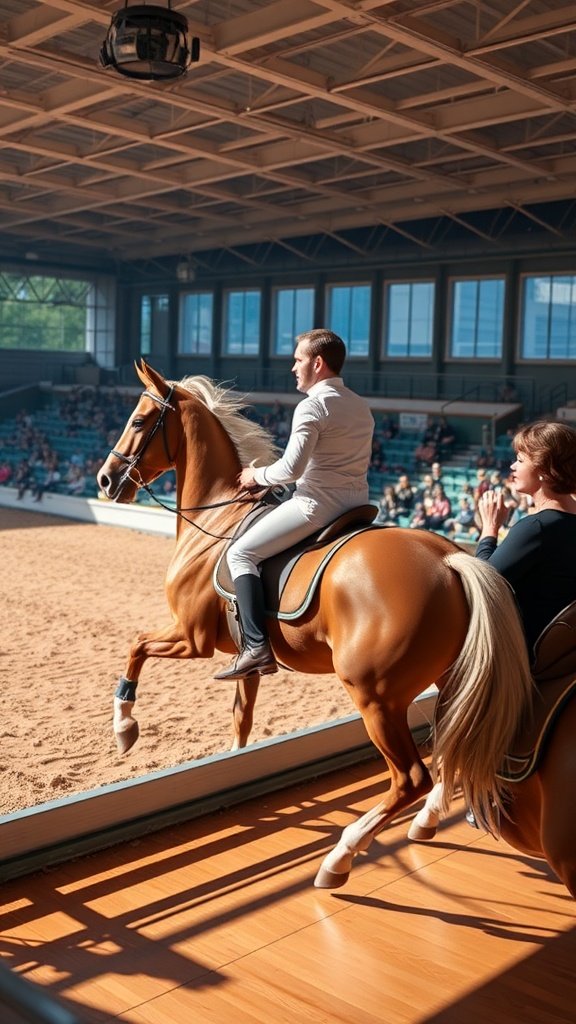
Techniques to Enhance Your Seat at the Trot and Eliminate Bouncing
Developing a strong, effective seat at the trot is essential for any equestrian. A proper seat not only improves your riding performance but also enhances your horse’s comfort and responsiveness. If you struggle with bouncing while trotting, several techniques can help you maintain a balanced and secure position. Here are some effective strategies to improve your seat at the trot and eliminate that unsettling bounce.
Understanding the Trot
The trot is a two-beat gait, where the horse moves diagonally, lifting opposite legs simultaneously. This rhythmic motion can easily disrupt an unsteady rider. To minimize bouncing, it’s vital to understand how your movements affect your horse.

Body Position and Posture
Your body position plays a significant role in achieving a still seat. Here are some key elements to focus on:
- Alignment: Keep your body aligned with the horse. Your head, shoulders, hips, and heels should form a straight line. This alignment allows for better balance and reduces bouncing.
- Relaxation: Tension in your body can lead to bouncing. Focus on staying relaxed. Breathe deeply and let your legs hang naturally down, avoiding gripping the saddle.
- Core Engagement: A strong core is essential. Engage your abdominal muscles to stabilize your body while allowing your seat bones to follow the horse’s movement.
Learn to Move with the Horse
Moving with your horse is crucial to maintaining balance. Here are a few tips:
- Follow the Motion: As the horse trots, allow your hips to shift naturally with the rhythm. Use your hips to absorb the movement and avoid jarring.
- Use Your Seat Bones: Focus on sitting deeper in the saddle and using your seat bones to feel the rhythm. This connection will help you remain grounded and secure.
- Practice the ‘Block’ Technique: Try to feel the horse’s movement as if you are blocking it slightly with your hips. This doesn’t mean to stiffen up, but rather to engage your core and create a supportive barrier against excessive bouncing.
Utilize Your Leg Aids
Your legs play an essential role in stabilizing your seat. Here are several actions to consider:
- Leg Position: Keep your legs hanging gently against the horse without gripping too tightly. Your calves should lightly touch the sides of the horse, which helps maintain balance.
- Flexible Knees: Let your knees be flexible. Stiff knees can lead to bouncing, so bend slightly to relax your lower body and move with the horse’s motion.
Practice on the Lunge Line
Riding on a lunge line can help you focus on your seat without worrying about steering the horse. Here’s how you can use this tool effectively:
Click Here to Explore All Things Equestrain, From Stables to Lessons and Free Ebooks
- Concentration on Position: As you ride, concentrate on developing your seat. Notice how your body moves and adjust as necessary.
- Find Your Rhythm: The lunge line allows you to concentrate solely on the trot’s rhythm, helping you learn how to follow the sensations in the saddle.
Engage in Ground Exercises
Off-horse training can also improve your seat. Consider activities like:
- Yoga: Yoga enhances your core and flexibility, both of which are vital for maintaining a secure seat.
- Balance Exercises: Exercises that focus on balance, such as standing on one leg or using a balance board, can greatly improve your equestrian skills.
Seek Instruction
Don’t hesitate to seek guidance from a qualified riding instructor. A professional can provide you with valuable feedback on your position and help you identify areas for improvement. They can offer personalized exercises tailored to your specific needs.
Improving your seat at the trot requires focus, patience, and practice. By employing these techniques, you can minimize bouncing and enjoy a more harmonious ride. Remember, every rider progresses at their own pace, so keep practicing, and enjoy the journey with your horse!
The Role of Core Stability in Equestrian Riding
Core stability plays a crucial role in equestrian riding, influencing your performance and the connection you have with your horse. When your core is strong, you have better control over your movements, leading to a smoother ride. Understanding how to engage and strengthen your core can make a significant difference in your equestrian experience.
The Importance of Core Stability
Core stability refers to the strength and endurance of the muscles that stabilize your trunk, including your abdomen, back, and pelvic floor. A stable core helps maintain an upright posture, allowing you to sit deeply in the saddle. This stability is essential for various riding disciplines, from dressage to jumping. Without it, you may find yourself bouncing or swaying, which can disrupt your horse’s rhythm.
Benefits of a Strong Core for Riders
- Improved Balance: A strong core enhances your balance while riding. This helps you stay centered and creates a more harmonious relationship with your horse.
- Efficient Movement: Core stability allows for smoother, more coordinated movements. You can cue your horse more effectively, contributing to a better response.
- Injury Prevention: A strong core supports your spine and reduces the risk of injuries. This is especially important for riders who engage in intense training sessions.
- Enhanced Endurance: Building core strength improves overall stamina, enabling you to ride for longer periods without fatigue.
How to Build Core Stability
Developing a strong core takes time and consistency. Here are some effective exercises you can incorporate into your routine to enhance your core stability.
Click Here to Explore All Things Equestrain, From Stables to Lessons and Free Ebooks
1. Planks
Planks are a fantastic exercise that targets your entire core. Start on your forearms and toes, keeping your body in a straight line from head to heels. Hold this position for as long as you can, aiming for 30 seconds to one minute. As you progress, try different variations like side planks to challenge your core further.
2. Bridges
Bridges help strengthen your glutes and lower back, which are essential for a strong core. Lie on your back with your knees bent, feet flat on the floor. Raise your hips towards the ceiling, squeezing your glutes at the top. Lower back down and repeat for several sets.
3. Sit-Ups or Crunches
While traditional sit-ups may be common, crunches are more effective for core stabilization. Focus on pulling your belly button towards your spine as you lift your shoulders off the ground. Be mindful of not straining your neck during the exercise.
4. Leg Raises
Leg raises target the lower abdominal area. Lie on your back, legs straight, and lift them towards the ceiling while keeping your core engaged. Lower them slowly without touching the ground and repeat this movement.
5. Balance Exercises
Incorporate balance drills, like standing on one leg or using a balance board. These exercises not only engage your core but also improve your overall stability when riding.
Click Here to Explore All Things Equestrain, From Stables to Lessons and Free Ebooks
Practical Tips for Core Engagement While Riding
It’s not just about strength training; applying core stability techniques while riding is equally important. Here are some practical tips:
- Maintain an upright posture: Keep your back straight and shoulders relaxed. This will help engage your core naturally during your rides.
- Practice Deep Breathing: Deep breathing techniques engage your diaphragm, encouraging core activation. This can enhance your balance while on horseback.
- Focus on Your Seat: Your seat plays a significant role in core engagement. As you ride, think about relaxing your hips while maintaining a strong core connection.
Improving your core stability is an ongoing journey that requires dedication and focus. By committing to core strength exercises and applying them directly to your riding, you’ll experience the benefits firsthand. Not only will you ride more effectively, but you will also enjoy your time spent with your horse to the fullest.
Through consistent practice and a focus on core stability, you can enhance your overall riding experience, making each ride more enjoyable for both you and your horse.
Improving Balance and Posture in the Saddle
Improving your balance and posture in the saddle is essential for a comfortable and effective riding experience. When you master these skills, you’ll not only enhance your performance but also minimize the risk of injury. To help you along your journey, let’s explore some valuable tips and techniques.
First, understanding the fundamentals of your body’s alignment is crucial. Your goal should be to maintain a straight line from your ear, shoulder, hip, and heel. This alignment allows for better weight distribution and helps you stay centered on your horse. When you’re upright, your core engages better, which directly impacts your stability and control.
Regular exercises can substantially enhance your core strength and posture. Here are some effective options:
Click Here to Explore All Things Equestrain, From Stables to Lessons and Free Ebooks
- Planks: A great way to build core strength. Start with 20 seconds and gradually increase the duration.
- Bridges: Lie on your back, knees bent, and lift your hips while squeezing your glutes. Hold for a few seconds before lowering.
- Balance exercises: Try standing on one leg while holding the other leg straight out. This helps sharpen your balance.
Next, consider the saddle you ride in. It should fit both you and your horse well. A poorly fitted saddle can throw off your balance, making it difficult to stay upright. Invest time in finding a saddle that accommodates your build and riding style. Once you have the right saddle, take time to get comfortable with it. Practice sitting in it without riding initially, focusing on your posture and balance to get a feel for how your body interacts with the saddle.
When you begin riding, start with your horse standing still. This allows you to concentrate on your seat. Spend a few moments in an upright position, adjusting your legs to ensure they hang straight down. Feel your connection with the horse through your thighs, and relax your ankles to enhance your grip. This connection is a crucial element in helping you maintain balance.
As you begin to move, stay aware of your body’s position. Keep your shoulders back and your chest open; this not only improves your posture but also helps you breathe more effectively. A common mistake is slumping forward, which can disrupt your balance. Always strive to keep your head up and your eyes forward, allowing you to anticipate your horse’s movements and react accordingly.
One effective practice is to ride without stirrups occasionally. This challenge forces you to engage your core and promotes better balance. If you find this difficult, start with brief intervals of saddle time without stirrups. Gradually increase these sessions as you become more comfortable.
Your mental approach also plays a significant role in your ability to maintain balance and posture. Stay relaxed and focused, as tension in your body can disrupt your equilibrium. Breathing exercises can be beneficial; they help calm you and keep your muscles relaxed. Try inhaling deeply for a count of four, holding for four, and exhaling for a count of four. This can greatly enhance both your riding and overall enjoyment.
Click Here to Explore All Things Equestrain, From Stables to Lessons and Free Ebooks
Consider taking a few lessons with a skilled instructor. They can offer feedback and tips tailored specifically to you. They’ll help identify any bad habits you may have developed and guide you in correcting them. An experienced instructor can also introduce you to various exercises tailored to improve balance and posture while riding.
Enhancing your balance and posture in the saddle is key for all riders. It requires practice, awareness, and commitment. Apply these strategies consistently, and you will notice gradual improvements in your riding experience. With diligence, you’ll become a more adept and confident equestrian, ready to tackle any challenge that comes your way!
The Importance of Specific Exercises for Riders
Riding a horse is about more than just sitting in the saddle; it requires strong physical fitness, balance, and flexibility. Engaging in specific exercises can greatly enhance your riding experience. By targeting certain muscle groups and improving overall core strength, you can achieve better control and communication with your horse. Let’s delve into why targeted workouts are crucial for riders and discuss some effective exercises.
Firstly, having a strong core is fundamental for any rider. A stable core allows you to maintain your balance and posture while riding. This strength helps absorb the horse’s movements, reducing bouncing in the saddle and letting you communicate more effectively with your horse. Here are some exercises to strengthen your core:
- Planks: Hold a plank position for 30 seconds to a minute. Engage your abdominal muscles while ensuring your body forms a straight line from head to heels.
- Russian Twists: Sit on the ground with your knees bent. Lean back slightly and twist your torso side-to-side while holding a weight. This engages the oblique muscles.
- Supermans: Lie flat on your stomach and lift your arms and legs off the ground simultaneously, holding this position for a few seconds. This exercise strengthens your lower back, which is essential for maintaining riding posture.
Flexibility is another important component. Increased flexibility leads to better leg movement and positioning while riding. Here are some excellent stretches for riders:
- Hamstring Stretch: Sit on the floor with one leg extended and the other bent. Reach toward your toes to stretch the hamstrings. Hold for 20-30 seconds on each side.
- Hip Openers: Sit cross-legged and gently press your knees toward the ground. This stretch increases hip flexibility, allowing for a more secure leg position.
- Shoulder Stretch: Cross one arm over your chest and use your other arm to pull it closer. This helps improve upper body mobility, which is crucial for rein contact.
In addition to core strength and flexibility, improving overall balance can transform your riding skills. Targeted balance exercises can ensure you stay centered in the saddle, even when your horse is in motion. Here are a few exercises to boost your balance:
Click Here to Explore All Things Equestrain, From Stables to Lessons and Free Ebooks
- Single-Leg Stand: Stand on one leg for 30 seconds, then switch to the other leg. For a challenge, close your eyes while balancing.
- Bosu Ball Lunges: Perform lunges on a Bosu ball to engage stabilizing muscles. This can also enhance your leg strength.
- Yoga Poses: Poses like Tree Pose or Warrior III help develop balance and coordination, which are vital for effective riding.
It’s also important to develop leg strength. Strong legs help you control your horse with better precision, preventing you from bouncing in the saddle. Here are a few exercises to consider:
- Squats: Stand with your feet shoulder-width apart and lower your body as if sitting in a chair. This exercise builds leg strength and stability.
- Bridges: Lie on your back with knees bent and feet flat on the ground. Lift your hips toward the ceiling to work your glutes and hamstrings.
- Calf Raises: Stand on a step and raise your heels off the ground, then lower them back down. This will improve the strength of your calf muscles, enhancing your leg control while riding.
These exercises into your routine will not only improve your physical strength as a rider but also enhance your overall riding performance. You’ll find it easier to maintain a balanced seat while executing various movements. Remember, a strong and flexible body leads to a better connection with your horse.
It’s essential to remain consistent with your training regimen. Start with a few of these exercises each week, gradually increasing as you build strength and flexibility. Include your horse in your journey toward fitness; riding itself is a great workout! By focusing on building your body through specific exercises, you create a more harmonious relationship with your horse, leading to a more enjoyable riding experience.
Understanding Your Horse’s Movement and Its Impact on Your Seat
Your relationship with your horse starts with understanding its movement. Horses are intricately designed to move, and each breed can have its unique way of doing so. When you recognize these movements, you can adjust your seat accordingly. Let’s explore how understanding these movements can transform your riding experience and create a more harmonious bond with your horse.
Basic Equine Movements
To improve your seat, begin by learning about the fundamental movements of a horse. These include:
- Walk: The horse’s most basic gait, where each hoof contacts the ground in sequence.
- Trot: A two-beat diagonal gait that can be bouncy without proper riding techniques.
- Canter: A three-beat gait that allows for more speed and requires balance and rhythm.
- Gallop: The fastest gait, marked by an extended movement that requires excellent timing and control.
Understanding these gaits is crucial. Each motion affects how you sit in the saddle and your overall riding balance. For instance, the bounciness of the trot can throw many riders off balance, making it essential to adapt your stance to maintain control.
Click Here to Explore All Things Equestrain, From Stables to Lessons and Free Ebooks
How the Trot Affects Your Seat
The trot can often be challenging because of its unique two-beat pattern. Here are a few things to consider about your seat when riding at this gait:
- Use Your Core: Engaging your core muscles provides stability and helps absorb the horse’s motion.
- Soft Knees: Keeping your knees soft and slightly bent allows you to follow the horse’s movement more fluidly.
- Feet Position: Your heels should be down and your toes turned slightly out, helping you maintain a balanced position.
- Saddle Adjustments: Ensure your saddle fits well, as a poor configuration can amplify bounce and discomfort.
You should also keep your seat bones in contact with the saddle. Sensitivity to the horse’s movements enables you to initiate adjustments. Riding with a relaxed body while remaining engaged will minimize bouncing and optimize your engagement with the horse.
Techniques to Improve Your Seat
Using effective techniques can greatly enhance your performance, especially in the trot. Here are some practical tips:
- Practice Posting: Learning to post at the trot means rising and sinking with the horse’s rhythm. This movement alleviates bounce and is a vital technique for achieving better balance.
- Two-Point Position: This technique encourages you to rise slightly out of the saddle while leaning forward. It decreases bouncing and adds shock absorption. Practice this during trot exercises.
- Riding Without Stirrups: Challenging yourself to ride without stirrups can strengthen your core and improve your balance. This practice emphasizes body awareness.
- Mind the Hands: Keep your hands soft and steady on the reins. This helps in effectively communicating with your horse without causing them to react negatively.
As you practice these techniques, be patient with yourself. Improvement comes over time, and consistency is critical.
Understanding Your Horse’s Feedback
Paying attention to your horse’s reactions is equally important. A responsive horse will tell you what is working and what isn’t. Signs of discomfort in your horse can indicate that your seat or technique may need adjusting. Look for:
Click Here to Explore All Things Equestrain, From Stables to Lessons and Free Ebooks
- Increased tension in the horse’s body
- Uneven strides or reluctance to maintain a steady pace
- Head tossing or excessive swaying
Listening to these signs and adjusting as needed will contribute to a rewarding relationship between you and your horse. As you improve your seat, you will likely find your horse becomes more willing and responsive.
Understanding your horse’s movement is fundamental to maintaining an effective seat. By focusing on proper techniques, utilizing feedback, and being patient with your progress, you can enhance your riding experience. With practice and dedication, the bouncing that once troubled you will become a thing of the past, leading to a more balanced, skillful, and enjoyable ride.
Conclusion
Improving your seat at the trot and eliminating bouncing involves a combination of techniques, stability, and awareness. By focusing on core stability, you create a strong foundation that supports your entire riding posture. This core engagement allows for more fluid movement, translating to better balance and a more relaxed seat in the saddle.
Good posture is crucial; it not only enhances your riding experience but also encourages a harmonious connection with your horse. By maintaining an upright position while being mindful of your legs and arms, you help facilitate the natural rhythm of your horse’s movement. Practicing specific exercises tailored for riders can strengthen your muscles and enhance your body awareness, making it easier to adapt to the ever-changing dynamics of riding.
Understanding how your horse moves is equally important. Each horse has a unique trot, and recognizing these subtle differences can help you adjust your seat accordingly. By developing a deeper connection with your horse, you will ride more effectively, leading to improved comfort and less bouncing.
Consistent practice is key. Whether it’s through specific drills, riding lessons, or simply spending time in the saddle, the more you work on these elements, the more natural and comfortable your seat will become. With dedication and the right techniques, you can enjoy a smoother trot and a more enjoyable riding experience, ultimately leading to a stronger bond with your equine partner.
Click Here to Explore All Things Equestrain, From Stables to Lessons and Free Ebooks