
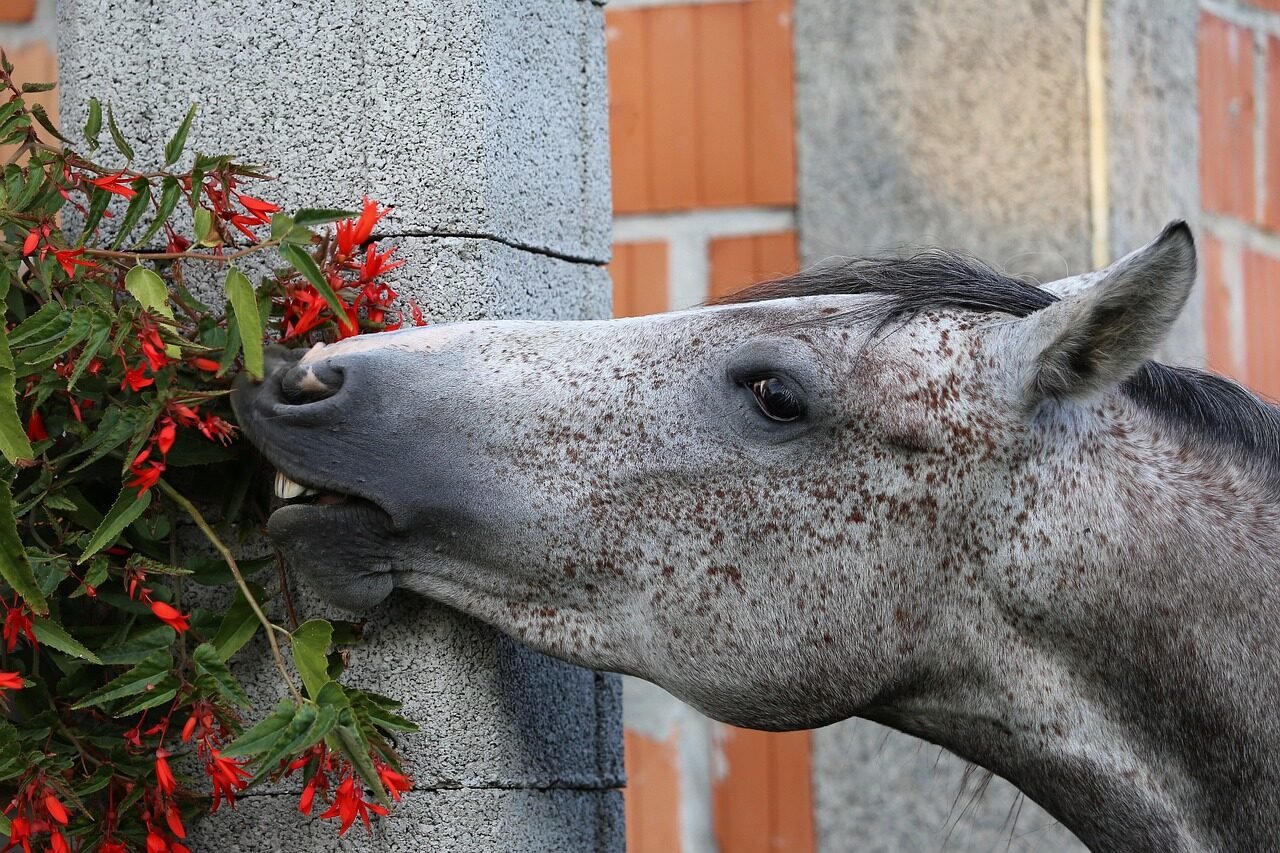
How to Tell If Your Horse Is Getting Enough Fibre
Ensuring your horse gets enough fibre is crucial for its overall health and well-being. Fibre plays a vital role in digestion, preventing colic, and maintaining a healthy weight. Here’s how to tell if your horse is getting the right amount of this essential nutrient.

Understanding Fibre Needs
Horses are naturally adapted to a high-fibre diet, mostly consisting of forage like hay and grass. Generally, it’s recommended that horses consume at least 1.5% to 2% of their body weight in forage daily. For example, a 1,000-pound horse should eat between 15 to 20 pounds of forage each day. Knowing your horse’s ideal fibre intake is the first step in meeting the dietary needs.
Signs Your Horse Is Not Getting Enough Fibre
You can monitor your horse’s health and behaviour to determine if it’s getting enough fibre:
- Weight Loss: If your horse is losing weight despite a regular feeding schedule, it could mean it’s not getting enough fibre.
- Poor Coat Condition: A shiny and healthy coat often indicates good nutrition. If your horse’s coat looks dull or brittle, it might need more fibre.
- Low Energy Levels: Horses lacking fibre may show signs of fatigue or lethargy. If your horse seems less lively during rides or turns sluggish, it may be time to reevaluate its diet.
- Colic Symptoms: Colic can be a serious condition often linked to insufficient fibre. Watch for symptoms such as bloating, rolling, or not eating. If you see these signs, seek immediate veterinary assistance.
- Behaviour Changes: A horse that is irritable, constantly chewing at objects, or showing signs of boredom may be craving more fibre in its diet.
How to Increase Fibre Intake
If you suspect your horse is not getting enough fibre, here are a few strategies to boost its intake:
- Quality Forage: Ensure that your horse has high-quality hay or grass available at all times. Look for hay that is green, free from mold, and has a good mix of legumes and grasses.
- Supplement with Fibre Sources: You can add fibre-rich supplements like beet pulp or hay cubes to your horse’s diet. These can provide additional fibre when forage is lacking.
- Monitor Pasture Quality: Regularly assess the pasture your horse grazes in. Overgrazing or poor-quality grass can reduce the fibre available.
- Hay Nets: Use slow-feed hay nets to encourage your horse to eat more frequently throughout the day, mimicking natural grazing patterns.
- Consult a Veterinarian: Always consult with a veterinarian or equine nutritionist if you have concerns about your horse’s diet. They can provide tailored advice based on your horse’s specific needs.
Regular Health Checks
Regular veterinary check-ups can help ensure your horse remains healthy and is getting the right amount of fibre. During these visits, your vet can assess your horse’s overall health and suggest necessary dietary adjustments.
Click Here to Explore All Things Equestrain, From Stables to Lessons and Free Ebooks
Monitor and Adjust
It’s essential to keep track of your horse’s feeding habits and behaviour over time. If you notice a change, reassess its diet to ensure it’s meeting its fibre needs. Keeping a journal of your horse’s eating habits and any behavioural changes can help you identify when adjustments need to be made.
By paying close attention to your horse’s health and nutritional needs, you can ensure that it receives the sufficient fibre necessary for a happy and healthy life. Remember, a well-fed horse is a happy horse!
The Importance of Fibre in Your Horse’s Diet
When it comes to your horse’s diet, ensuring adequate fibre is crucial for their overall health and well-being. Fibre plays an essential role in promoting proper digestion, maintaining a healthy weight, and providing the necessary energy for daily activities. Understanding the importance of fibre helps you make informed decisions concerning your horse’s nutrition and care.
What is Fibre and Why is it Important?
Fibre is a type of carbohydrate that is not easily digested by your horse’s body. It primarily comes from plant materials, such as hay, grass, and certain grains. The benefits of including enough fibre in your horse’s diet cannot be overstated. Not only does it aid in digestion, but it also supports overall gut health.
Key Benefits of Fibre for Horses
- Enhanced Digestion: Fibre promotes the healthy functioning of the digestive system by stimulating peristalsis, which is the wave-like movement that helps push food through the intestines.
- Weight Management: Horses that consume adequate fibre feel fuller for longer, which helps prevent overeating and assists in maintaining a healthy weight.
- Gut Health: The right amount of fibre encourages the growth of beneficial gut bacteria, supporting a healthy microbiome that is essential for absorbing nutrients efficiently.
- Reduced Boredom: Grazing on fibrous plants can keep horses mentally stimulated, reducing boredom and undesirable behaviours associated with lack of activity.
Types of Fibre
Fibre can be classified into two main types: soluble and insoluble. Understanding these types can help you determine how to balance your horse’s diet effectively.
Soluble Fibre
Soluble fibre is found in ingredients like beet pulp and legumes. It is fermentable and can provide energy while also helping with gut health. It’s particularly beneficial for older horses or those with dental issues since it’s easier to chew and digest.
Click Here to Explore All Things Equestrain, From Stables to Lessons and Free Ebooks
Insoluble Fibre
Insoluble fibre is present in typical hay and grass. This type cannot be fermented and is crucial for maintaining a healthy digestive tract. It provides bulk to the diet, helping with the elimination of waste.
How Much Fibre Does Your Horse Need?
The amount of fibre your horse requires can vary depending on their age, workload, and overall health. Generally, a horse’s diet should consist of at least 1% of its body weight in fibre daily. For most horses, this translates to around 15-25 pounds of quality hay per day. Here are some factors to consider when determining your horse’s fibre needs:
- Age: Young horses and those in training may require additional fibre for energy, while senior horses may need softer sources.
- Activity Level: More active horses may need higher fibre diets to support their energy levels while also keeping them satisfied.
- Health Status: Horses with digestive issues may benefit from higher fibre levels to aid in gut health.
Signs of Insufficient Fibre Intake
Monitoring your horse’s behaviour and physical condition can help you identify whether they’re getting enough fibre. Here are some signs to watch for:
- Weight Loss: A sudden drop in weight can indicate that your horse isn’t getting enough calories from fibre.
- Poor Coat Condition: A dull or patchy coat might suggest that your horse lacks essential nutrients, including fibre.
- Digestive Issues: Symptoms like colic, diarrhea, or a lack of manure can indicate insufficient fibre intake.
- Behavioral Changes: Increased boredom or excessive chewing can mean your horse is not receiving enough fibrous material.
Incorporating the right amount of fibre into your horse’s diet is imperative for their health and happiness. By understanding the types of fibre, their benefits, and the signs that can indicate a deficiency, you can help ensure that your horse thrives. Always consult with your veterinarian or an equine nutritionist if you are unsure about the best dietary practices for your horse.
Signs of Fibre Deficiency in Horses
As a responsible horse owner, ensuring that your horse receives adequate nutrition is vital for its health and well-being. One critical component of a horse’s diet is fiber, which plays an essential role in digestion and overall health. Recognizing the signs of fiber deficiency is imperative to maintaining your horse’s health. Here are some key indicators that your horse might not be getting enough fiber in its diet.
One of the first signs you may notice is changes in your horse’s manure. Healthy manure should be formed, dark brown, and crumbly. If you observe that your horse’s droppings are consistently loose, watery, or poorly formed, it could be a sign of inadequate fiber intake. Insufficient fiber can disrupt the digestive process, resulting in inconsistent and unhealthy stool consistency.
Click Here to Explore All Things Equestrain, From Stables to Lessons and Free Ebooks
In addition to changes in manure, keep an eye out for your horse’s overall behavior and energy levels. A horse lacking sufficient fiber may exhibit low energy or lethargy. If your horse seems less active than usual, or if it tires easily during workouts, it might be due to an imbalanced diet lacking necessary fiber intake.
Another significant sign to observe is weight loss. While many factors can contribute to weight loss, fiber deficiency can often lead to muscle loss and fat depletion. If you’re noticing that your horse is losing weight despite eating normally, it’s worth evaluating their fiber consumption. Implementing more hay and fiber sources into their diet may be needed to address this issue.
Dental health is another important aspect that can indicate a fiber deficiency. Horses require sufficient chewing to maintain healthy teeth, and fiber is a key component of that process. If you observe that your horse is chewing less or has mouth pain, they might be lacking in fiber sources to stimulate their chewing behavior. Regular dental check-ups are vital, but consider the impact of fiber on dental well-being.
Behavioral changes can also give insight into your horse’s dietary needs. Horses that do not receive enough fiber may exhibit signs of frustration or boredom, such as cribbing, weaving, or other stable vices. These behaviors often stem from a lack of the natural grazing and chewing time they would typically enjoy in the wild. Adding more fibrous materials to their diet, such as hay, can help alleviate these behaviors.
Additionally, watch for signs of colic, which can sometimes be triggered by inadequate fiber. Symptoms may include rolling, groaning, or evident discomfort in the abdomen area. Though colic can have various causes, providing adequate fiber is a preventive measure against digestive disturbances. If you suspect colic, seek veterinary assistance immediately, as timely intervention can save your horse’s life.
Click Here to Explore All Things Equestrain, From Stables to Lessons and Free Ebooks
Changes in skin and coat quality can also indicate a lack of fiber. A healthy horse usually has a shiny, well-maintained coat. If the coat appears dull, brittle, or your horse is experiencing an unusual amount of shedding, it may well be due to an improper balance of nutrients, including fiber. Ensuring your horse’s diet consists of appropriate roughage can lead to improved coat health and overall appearance.
- Monitor your horse’s manure for consistency and appearance.
- Assess energy levels and activity; lethargy may indicate a fiber deficiency.
- Check for any noticeable weight loss or muscle atrophy.
- Observe dental health and chewing habits; insufficient chewing could signify a lack of fiber.
- Watch for behavioral changes that may result from boredom or frustration.
- Be vigilant for signs of colic or digestive discomfort.
- Evaluate your horse’s coat quality for indicators of nutritional deficiencies.
Recognizing these signs of fiber deficiency can help you take necessary actions to improve your horse’s diet. Maintaining proper fiber intake is crucial for your horse’s digestion, health, and happiness. To ensure your horse receives enough fiber, consider providing a consistent supply of high-quality hay or appropriate fiber-rich feed. Regularly evaluate their diet and adjust as needed, and consult with a veterinarian to establish the ideal nutritional balance for your horse’s needs. Keeping these factors in check will contribute to your horse’s overall well-being and longevity.
Best Sources of Fibre for Optimal Equine Health
Ensuring your horse gets enough fibre is essential for their overall health and well-being. A balanced diet rich in fibre helps maintain a healthy digestive system and provides necessary nutrients. Knowing the best sources of fibre can aid you in optimizing your horse’s diet. Here are some excellent fibre sources you should consider.
Grass and Hay
One of the most natural and beneficial sources of fibre is grass. Whether your horse is grazing in a pasture or eating hay, these fibrous plants play a vital role in their diet. Here’s why they are fundamental:
- Variety: Different types of hay, such as timothy, alfalfa, and brome, provide varying levels of fibre and nutrients.
- Natural chewing: Grass and hay require chewing, which promotes saliva production and aids digestion.
- Palatability: Most horses enjoy grazing, making it easier to keep them interested in their diet.
Chaff
Chaff is another excellent option that can be mixed into your horse’s feed. It usually consists of dried grass or hay cut into small pieces. Here are some benefits of adding chaff to your horse’s diet:
- Encourages chewing: Due to its texture, chaff encourages longer chewing times, enhancing digestive enzymes and overall gut health.
- Weight management: Chaff can be an excellent filler for horses that need to maintain or lose weight without sacrificing fibre intake.
Beet Pulp
Beet pulp is a byproduct of sugar beet processing, making it a surprising but valuable fibre source. It’s high in digestible fibre and low in sugar. Consider these benefits:
Click Here to Explore All Things Equestrain, From Stables to Lessons and Free Ebooks
- High energy: Beet pulp provides energy without excessive starch, making it suitable for performance horses.
- Hydration: When soaked, beet pulp absorbs water, helping maintain hydration in your horse’s diet.
Bran
Bran is another source that can contribute significantly to your horse’s fibre intake. Its high fibre content makes it beneficial, but it should be used wisely:
- Good for hard keepers: Bran can help underweight horses put on weight when properly balanced with other feeds.
- Minerals: Bran is a good source of phosphorus, which is essential for bone health.
Pelleted Fibre Feeds
For convenience and ease of use, pelleted fibre feeds can be an excellent addition to your horse’s diet. These are specifically formulated to provide concentrated sources of fibre. Benefits include:
- Balanced nutrition: Many pelleted fibre feeds are designed to meet the nutritional needs of horses in different life stages and lifestyles.
- Reduced wastage: Pellets are less prone to going to waste in windy or rainy conditions, ensuring your horse gets the nutrients intended.
Fruit and Vegetables
While not primary sources of fibre, some fruits and vegetables can be excellent treats that also provide fibre. Consider options like:
- Carrots: These are low in sugar and can be fed as a crunchy snack.
- Apples: Fresh apples add natural sweetness and fibre to the diet but should be fed in moderation.
Integrating various fibre sources into your horse’s diet is crucial for optimal health. From the foundational grass and hay to beneficial supplements like beet pulp and chaff, each option plays a unique role in maintaining a healthy digestive system. Monitor your horse’s consumption and make sure they get the right balance to thrive.
Regularly evaluating your horse’s feeding routine will ensure they’re receiving adequate fibre, promoting not only digestive health but also overall well-being. Always consult with a veterinarian or an equine nutritionist to tailor the best dietary plan for your horse’s specific needs.
Tips for Maintaining a Balanced Diet for Your Horse
Maintaining a balanced diet for your horse is essential for his overall health and performance. Just like humans, horses require specific nutrients to function optimally. Ensuring your horse gets the right mix of feed types can make a big difference in his vitality and strength. Here are some tips to help you create a balanced diet for your beloved equine friend.
Click Here to Explore All Things Equestrain, From Stables to Lessons and Free Ebooks
Understand Your Horse’s Nutritional Needs
Every horse has unique nutritional requirements based on various factors, including age, weight, breed, and activity level. Young growing horses, for example, need a different nutrient composition than older, less active horses. Knowledge of your horse’s individual needs is the first step to ensuring a well-balanced diet. A consultation with your veterinarian or an equine nutritionist can provide tailored recommendations.
Focus on Quality Forage
Forage should make up the bulk of your horse’s diet. High-quality hay or fresh pasture is vital for digestive health. Horses require a diet that consists of at least 1% of their body weight in forage each day. This helps maintain gut function and prevents conditions such as colic or laminitis. When selecting hay, look for:
- Freshness—ensure it is free from mold or dust.
- Variety—offer a mix of grass and legumes to balance nutrients.
- Analysis—testing hay for nutrient values can help you choose the best option.
Incorporate Concentrates Wisely
While forage should be the primary food source, some horses may require concentrates to meet their energy needs, particularly those in heavy training or competition. Grains and pelleted feeds can provide extra calories and nutrients. When feeding concentrates:
- Choose high-quality products that are appropriate for your horse’s workload.
- Introduce any new feed gradually to prevent digestive upsets.
- Avoid feeding too much grain at once—small, frequent meals are ideal.
Ensure Proper Mineral and Vitamin Levels
Minerals and vitamins play essential roles in a horse’s diet, supporting bone health, immune function, and overall performance. Include a mineral supplement that complements the forage and grains you’re providing. Pay attention to:
- Calcium and phosphorus balance, which is crucial for bone health.
- Salt and electrolytes, especially during hot weather or after intense workouts.
- Vitamins A, D, and E, which support metabolism and immune health.
Monitor Body Condition
Keeping track of your horse’s body condition can signal whether he is receiving adequate nutrition. Regularly assess his weight and body score. A horse that is too thin may need more energy-dense feeds, while an excessively overweight horse might require a diet lower in calories. Watching your horse’s body language and behavior can also provide clues—healthy horses should be lively and active.
Click Here to Explore All Things Equestrain, From Stables to Lessons and Free Ebooks
Stay Hydrated
Water intake is just as important as diet. A horse should have access to fresh, clean water at all times. On average, a horse drinks between 5 to 10 gallons per day, depending on activity level, weather, and size. Dehydration can cause serious health issues, so monitor his water consumption closely, especially during more strenuous activities or hot weather.
Adjusting Diet with Seasonal Changes
Horses may require dietary adjustments depending on the season. In colder months, they may need more calories to maintain body heat. Conversely, in warmer months, you should monitor their weight closely to prevent excessive weight gain. Additionally, the nutritional value of hay changes season to season; always stay informed about the forage options available during each time of year
Your horse’s diet is a cornerstone of his health and well-being. By understanding his nutritional needs, providing quality forage, incorporating concentrates as necessary, and ensuring proper mineral and vitamin levels, you can maintain a balanced diet that keeps your horse happy and healthy. Regularly monitoring body condition and hydration will further ensure that your equine friend thrives under your care.
Conclusion
Ensuring your horse receives enough fibre is crucial for their overall health and well-being. You should pay close attention to the importance of fibre in your horse’s diet, as it plays a vital role in maintaining healthy digestion and preventing issues like colic. Recognizing the signs of fibre deficiency, such as changes in behavior, coat condition, and digestive irregularities, enables you to take prompt action.
High-quality sources of fibre, such as hay, pasture, and commercial fibre supplements, can significantly enhance your horse’s nutritional intake. By focusing on a balanced diet, encompassing a mix of forage and appropriate concentrates, you will help ensure your horse remains fit and healthy.
Regularly assessing your horse’s condition and adjusting their diet accordingly can make a substantial difference. Monitoring their weight, energy levels, and overall health can guide you in making necessary dietary changes. Remember that every horse is unique; their individual needs may vary based on factors like age, activity level, and health status.
Click Here to Explore All Things Equestrain, From Stables to Lessons and Free Ebooks
By taking these steps, you contribute to a more vibrant and energetic life for your horse. Ultimately, providing a fibre-rich diet not only supports their digestive health but also enhances their quality of life. You have the ability to make informed choices that can lead to a happier, healthier horse. Your dedication to their nutrition is an investment in their longevity and vitality.