
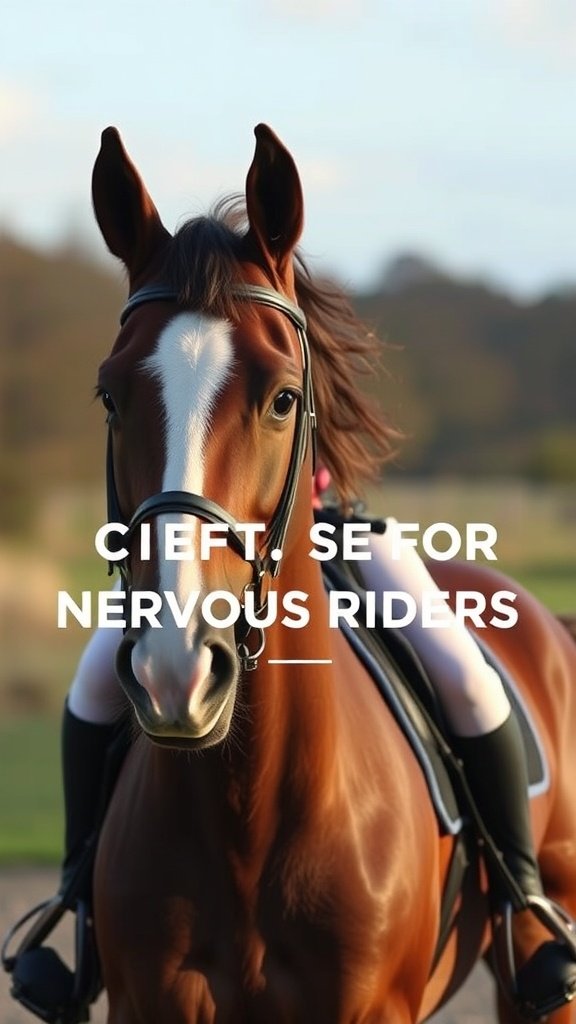
Best Confidence-Building Exercises for Nervous Riders
Nervousness is a common feeling among riders, whether you’re just starting out or getting back in the saddle after a break. Building confidence is essential for a positive riding experience. To help you on your journey, here are some effective exercises that can boost your confidence and improve your riding skills.
Practice Groundwork
Before climbing onto your horse, spend some time on the ground. Groundwork helps you establish a bond with your horse and increases your comfort level. Here’s how you can get started:

- Leading Exercises: Walk your horse from one point to another, change directions, and practice stopping. This builds your leadership skills and helps you feel more in control.
- Desensitization: Introduce your horse to various objects, sounds, and environments. Use items like plastic bags or umbrellas to teach your horse to remain calm in unexpected situations.
- Body Language Awareness: Learn to read your horse’s body language. Understand their cues and adjust your movements accordingly. This awareness boosts your confidence as you gain better communication with your horse.
Focus on Breathing Techniques
Your body’s reaction to nerves often manifests in shallow breathing. To calm yourself, practice deep breathing exercises before and during your ride:
- Inhale Deeply: Breathe in through your nose, filling your belly with air. Hold this breath for a few seconds.
- Exhale Slowly: Release the air gently through your mouth. Repeat this process several times to lower your anxiety levels.
Focusing on your breath can help you maintain a sense of calm while riding, making it easier to handle challenging situations.
Start with Familiar Territory
Being in a familiar environment can significantly improve your confidence. Start your rides in a known area where you feel comfortable. Familiarity breeds safety and security, reducing shakiness and fear. As you gain assurance, gradually introduce new locations to challenge yourself.
Set Small, Achievable Goals
Setting realistic and small goals helps you build your confidence step by step. Here are some goal-setting tips:
Click Here to Explore All Things Equestrain, From Stables to Lessons and Free Ebooks
- Focus on Specific Skills: Choose one skill to improve at a time, such as cantering, jumping, or trotting. Break this down into smaller tasks.
- Track Your Progress: Keep a journal of your rides. Write about the things you accomplished and areas needing improvement. This record will highlight your growth over time.
- Celebrate Wins: Reward yourself for achieving these small goals, no matter how minor they may seem. This could be with a treat, a day off, or simply sharing your success with friends.
Ride with a Supportive Partner
Having a friend who understands your nervousness can provide significant support. Riding together can ease your fears. Here’s how to make the most of it:
- Share Experiences: Talk about what makes you nervous and listen to your partner’s experiences. Understanding that others feel the same can bring immense comfort.
- Practice Together: Engage in exercises together. Whether it’s groundwork or riding around the ring, having someone by your side can strengthen your resolve.
Visualize Success
Visualization is a powerful tool that can help you overcome fears. Take a few minutes to imagine yourself successfully completing a ride. Picture every detail, from mounting the horse to riding confidently through each movement. This mental exercise can help prepare you for real-world scenarios, boosting your confidence.
Take Professional Lessons
Joining a riding class can provide you with professional guidance. An experienced instructor can tailor lessons to your comfort level, teaching you techniques that instill confidence:
- Feedback: An instructor can offer constructive feedback and encouragement, which is vital for growth.
- Structured Learning: Group lessons can simulate various situations, helping you learn coping strategies.
Building confidence as a rider may take time, but by incorporating these exercises into your routine, you’ll find yourself feeling more secure and happy in the saddle. Encourage yourself to take small steps, and remember that every rider has faced challenges. Your persistence will pay off, leading to a more fulfilling riding experience.
Overcoming Fear: Understanding the Psychology of Riding
Riding a horse can be an exhilarating experience, but for many, it comes with a cloud of fear. Understanding the psychology of riding is essential in overcoming this fear. It’s crucial to explore how your mind influences your riding experience and how to manage your emotions in the saddle.
The Nature of Fear in Riding
Fear is a natural response. When you get on a horse, you are engaging with a powerful animal that can be unpredictable. This fear often stems from a lack of control or previous negative experiences. Recognizing that this feeling is a common reaction can provide some comfort. Knowing that others share your fears can create a sense of belonging and encourage you to take the next step in your riding journey.
Click Here to Explore All Things Equestrain, From Stables to Lessons and Free Ebooks
Identify the Source of Your Fear
Understanding what triggers your fear is fundamental. Here are some common sources of anxiety for riders:
- Past Experiences: A fall or a sudden movement can lead to fear.
- Lack of Experience: New riders often feel overwhelmed.
- Loss of Control: Worrying about the horse’s behavior can heighten anxiety.
By pinpointing your triggers, you can begin to create strategies to confront and manage them. Start by journaling how you feel before and after rides. This can provide insights and help track your progress.
Mindfulness and Breathing Techniques
Practicing mindfulness and focused breathing can help ease tension and anxiety. Here are steps to incorporate these techniques:
- Deep Breathing: Take a deep breath in for a count of four, hold for four, and exhale for four. Do this several times before riding.
- Visualization: Imagine yourself riding confidently. Picture a successful ride from start to finish.
- Stay Present: Concentrate on the sensations of riding—the warmth of the saddle, the rhythm of the horse, and the sounds around you.
These techniques can ground you and help dissolve feelings of anxiety, enhancing your overall experience in the saddle.
Gradual Exposure to Riding
Start with small steps to build your confidence over time. Here are some ideas:
Click Here to Explore All Things Equestrain, From Stables to Lessons and Free Ebooks
- Groundwork: Spend time with your horse on the ground. Get to know its behaviors in a non-riding context.
- Short Rides: Begin with short, calm rides. Increase duration gradually as you feel more comfortable.
- Ride with Friends: Social support can significantly ease fear. Invite a friend to ride with you who can offer encouragement.
Remember that slow progress is still progress. Allow yourself to celebrate small victories on your journey to overcome fear.
Setting Achievable Goals
Creating clear, achievable goals can guide your riding practice. These goals could be related to skill development, confidence levels, or even the emotional aspects of riding. Here are some examples:
- Complete a 10-minute ride without feeling anxious.
- Try riding in a new area or with a different horse.
- Attend a riding clinic to gain expert guidance.
Goal-setting provides you with a roadmap, giving you direction and a sense of achievement as you conquer each milestone.
Seek Professional Help
If fear continues to hinder your riding, consider seeking assistance from professionals. A riding instructor with experience in psychological aspects can help address your fears constructively. Additionally, therapists who specialize in sports psychology can offer valuable techniques to manage your mindset.
By understanding the psychology of riding and acknowledging the nature of fear, you can take proactive steps toward overcoming it. Take small actions, focus on progress, and remember that every rider has faced challenges. With determination and the right strategies, you can transform fear into confidence, creating a fulfilling riding experience.
The Role of Mindfulness in Equestrian Confidence
For riders looking to enhance their skills and overall experience in the saddle, cultivating a state of mindfulness can be a game-changer. Mindfulness helps you connect with your horse and the environment, enabling a stronger bond and leading to increased confidence. Here’s how mindfulness plays a vital role in boosting equestrian confidence.
Click Here to Explore All Things Equestrain, From Stables to Lessons and Free Ebooks
Understanding Mindfulness
Mindfulness is the practice of being fully present and engaged in the moment without judgment. It involves observing your thoughts and feelings while calmly acknowledging them. For riders, this means focusing your mind on the sensations you experience, whether you’re grooming your horse or riding through a challenging course.
Benefits of Mindfulness for Riders
- Improved Focus: Practicing mindfulness allows riders to concentrate better, paying attention to their instincts and their horse’s cues.
- Reduced Anxiety: Being mindful helps in managing feelings of nervousness by shifting attention away from worries about performance.
- Enhanced Connection: Mindfulness fosters a deeper connection between the rider and the horse, making communication clearer and more effective.
- Better Decision Making: A calm mind is essential for making quick, effective decisions during rides and competitions.
How to Practice Mindfulness as a Rider
Mindfulness into your riding routine doesn’t take much time or effort. Here are several effective mindfulness exercises designed for riders:
1. Breathing Exercises
Before saddling up, take a few moments to focus on your breath. Inhale deeply through your nose, hold for a few seconds, and then exhale slowly through your mouth. Repeat this for a few minutes. This simple exercise calms your mind and reduces feelings of anxiety.
2. Grounding Techniques
Grounding techniques can help you stay anchored in the present moment. Stand beside your horse, feel your feet on the ground, and notice the sensations around you. Acknowledge the sounds and smells in the environment, letting go of distractions. This practice makes you feel more secure and connected to your horse.
3. Mindful Grooming
Use grooming time as an opportunity to connect with your horse mindfully. Focus on your horse’s coat, the rhythm of the brush, and the bond you are building. This can also help reduce any nervousness before riding.
Click Here to Explore All Things Equestrain, From Stables to Lessons and Free Ebooks
4. Visualization
Visualize your ride before you even get on your horse. Close your eyes and picture yourself riding confidently. Imagine the sensations you’ll feel and the reactions of your horse. This mental rehearsal can bolster your confidence and prepare you for success.
5. Reflective Journaling
After your rides, take a few minutes to jot down your thoughts and experiences. Reflect on what went well and areas where you faced challenges. This helps you to process your feelings and improves your self-awareness, making you more equipped to handle future scenarios.
Integrating Mindfulness into Riding Competitions
During competitions, the pressure can amplify feelings of anxiety. However, by embracing mindfulness, you can maintain focus and keep nerves at bay. Here are some techniques to apply before and during a ride:
- Pre-Ride Visualization: Prior to stepping into the ring, visualize each jump or maneuver clearly.
- Centering Techniques: Right before your ride, take a moment to ground yourself with a few deep breaths, focusing solely on the task at hand.
- Post-Ride Reflection: After your performance, don’t forget to reflect on your feelings and encounters throughout the ride.
By incorporating these mindfulness practices into your routine, you’ll create a more positive and less anxious riding experience, allowing your confidence to flourish. Remember that the journey to becoming a confident equestrian is a process that thrives on self-awareness and compassion towards yourself and your horse. Each ride is an opportunity to learn and grow.
As you cultivate mindfulness within your equestrian practice, you’ll find that both you and your horse benefit greatly, enhancing your connection and overall enjoyment of the ride.
Effective Breathing Techniques for Calmness in the Saddle
Riding can be an exhilarating experience, but for many, it can also bring on feelings of anxiety and nervousness. One highly effective approach to combat these feelings is the use of breathing techniques. Proper breathing can help you maintain calmness and focus while in the saddle, transforming your riding experience. Let’s explore how you can harness the power of your breath to ease tension and build confidence.
Click Here to Explore All Things Equestrain, From Stables to Lessons and Free Ebooks
Understanding how your breath influences your body and mind is important. When you’re feeling anxious, your breathing often becomes quick and shallow. This can lead to a cycle of increased anxiety. Instead, practicing deep breathing counteracts this reaction, sending signals to your brain to relax. Here are some effective techniques you can try:
1. Diaphragmatic Breathing
Diaphragmatic breathing, also known as belly breathing, is a foundational technique that helps to reduce stress and increase relaxation.
- Find a comfortable position, either sitting or standing straight.
- Place one hand on your chest and the other on your belly.
- Breathe in slowly through your nose, allowing your belly to rise as you fill your lungs.
- Exhale through your mouth, noticing your belly fall.
Practice this for several minutes before you ride. It helps create a sense of calm and prepares you mentally.
2. Box Breathing
This technique is particularly useful when you’re feeling overwhelmed. Box breathing provides a structured rhythm to your breath, drawing your attention away from distractions.
- Inhale deeply through your nose for a count of four.
- Hold your breath for a count of four.
- Exhale slowly through your mouth for a count of four.
- Hold your breath again for a count of four.
Repeat this cycle for a few minutes. Box breathing can be practiced discreetly while waiting to mount or even while riding to maintain calmness.
Click Here to Explore All Things Equestrain, From Stables to Lessons and Free Ebooks
3. Visualization with Breathing
Combining your breathing exercises with visualization can enhance their effectiveness. When you breathe in, picture positive emotions like confidence and relaxation filling you up. When you exhale, visualize letting go of stress and tension. Here’s how to do it:
- Begin with diaphragmatic breathing.
- On your inhalation, visualize a soothing color entering your body.
- On your exhalation, imagine the color of anxiety leaving your body, being replaced by calmness.
This technique not only steadies your breath but also serves as a mental boost as you prepare to ride.
4. Progressive Relaxation with Breathing
This method helps you learn to recognize tension in your body. As you breathe, you can release build-up stress in specific areas.
- Sit or lie down in a comfortable spot.
- Take a deep breath and tense a specific muscle group for five seconds, like your shoulders.
- Exhale and relax that muscle group fully.
- Continue through your body, focusing on one area at a time.
Doing this regularly helps create a stronger connection between your mind and body, allowing you to release tension effectively during your rides.
5. Breathing Mindfulness
Practicing mindfulness can greatly enhance your breathing exercises. It involves paying attention to your breath without trying to change it. While you ride, take moments to focus solely on your breath.
Click Here to Explore All Things Equestrain, From Stables to Lessons and Free Ebooks
- Using natural breathing, notice the sensations as you inhale and exhale.
- If your mind wanders, gently bring your focus back to your breath.
This practice increases your awareness and helps you stay present in the moment, reducing feelings of anxiety.
Integrating these breathing techniques into your routine can lead to profound changes in your riding experience. Try to practice these exercises regularly, both on and off your horse. Over time, you’ll likely find yourself feeling calmer and more self-assured in the saddle.
Remember, while breathing techniques are powerful, they work best alongside consistent practice and the building of your riding skills. You’re well on your way to enjoying every ride with confidence!
Building Trust Between Horse and Rider: Key Strategies
Building trust between you and your horse is essential for a successful riding experience. A strong relationship lays the foundation for effective communication, mutual respect, and improved performance. If you’re looking to foster this bond, several strategies can help enhance trust and connection on both sides.
Understand Your Horse’s Behavior
The first step in building trust is understanding your horse’s behavior. Horses communicate primarily through body language, so observing their reactions is key. Here are some signs of comfort and discomfort:
Click Here to Explore All Things Equestrain, From Stables to Lessons and Free Ebooks
- Comfort Signs: Relaxed posture, ears in a neutral position, soft eyes.
- Discomfort Signs: Tension in the body, pinned ears, rapid breathing.
Taking the time to learn how your horse expresses itself fosters a deeper connection. This also allows you to respond appropriately to your horse’s needs and emotions.
Establish Groundwork Skills
Before riding, invest time in groundwork exercises. Groundwork is an excellent way to build trust as it strengthens your partnership without the pressure of riding. Exercises such as lunging, leading, and desensitization can help. Here’s how to get started:
- Lunging: Allows your horse to move freely while you maintain control. This teaches them to respect your space and commands.
- Leading: Practice walking your horse around obstacles. This improves their focus on you and reinforces the bond.
- Desensitization: Introduce your horse to various objects (umbrellas, tarps) to help reduce anxiety and instill confidence.
Build Consistent Routines
Horses thrive on routine. Consistent feeding times, grooming sessions, and training schedules create a sense of security for your horse. When your horse knows what to expect, it helps reduce anxiety and builds trust. Here are some routine tips:
- Daily Interaction: Spend time with your horse each day, even if it’s just to groom them for a few minutes.
- Training Sessions: Keep your training regular and predictable; this lets your horse learn what to expect and builds confidence.
- Positive Reinforcement: Use treats or praise for good behavior. This encourages your horse to trust you and reinforces their learning.
Develop Riding Skills Gradually
When it comes to riding, patience is crucial. Start with short sessions and gradually increase their length and complexity. Here are strategies for easing into riding:
- Familiarization: Allow your horse to get accustomed to the saddle and your weight before asking for more advanced movements.
- Progressive Challenges: Introduce new tasks slowly. Start by walking, then progressing to trotting as your horse becomes more confident.
- Frequent Breaks: Allow for short breaks during riding sessions. This gives both you and your horse a chance to relax and reduces the stress associated with prolonged work.
Encourage Positive Experiences
Every experience you share should feel positive for your horse. Create an environment where they feel safe and valued. To ensure this:
Click Here to Explore All Things Equestrain, From Stables to Lessons and Free Ebooks
- Use Gentle Techniques: Always approach your horse calmly and gently to avoid startling them.
- Allow Exploration: Let your horse explore their environment safely. It builds confidence and teaches them to trust your judgment.
- End on a High Note: Conclude riding or training sessions with a positive experience, whether it’s a successful maneuver or enjoying a walk together. Ending positively reinforces good feelings.
Communicate Effectively
Clear communication can significantly boost trust. Horses are sensitive to cues and can easily pick up on your moods. Here are ways to improve communication:
- Use Clear Cues: Ensure your riding aids (leg, rein, voice) are consistent and clear. Your horse will begin to understand what you expect.
- Stay Relaxed: Your emotions affect your horse. Stay calm; a relaxed rider often leads to a relaxed horse.
- Listen to Your Horse: Acknowledge their feelings. If they seem nervous or uneasy, take a step back and reassess the situation.
Building trust with your horse takes time, patience, and effort. By focusing on understanding, consistency, and positive experiences, you’ll create a strong bond that will enhance your riding journey together. In turn, this trust opens the door to effective communication and remarkable achievements in your riding endeavors.
Conclusion
Building confidence as a rider is a journey, and every step you take is a testament to your dedication. Engaging in confidence-building exercises can significantly elevate your riding experience. Each exercise serves not just to overcome fear but helps you understand the psychological aspects of riding. By embracing your emotions and fears, you create a more profound connection with your horse.
Mindfulness plays a crucial role in this journey. Practicing mindfulness allows you to remain present, helping you recognize your feelings without judgment. This awareness fosters a stronger bond between you and your horse. Moreover, learning effective breathing techniques can calm your nerves, ensuring that you approach each ride with a relaxed mindset. Deep, rhythmic breaths can help ease anxiety, allowing you to focus more on your ride and less on the worries that distract you.
Establishing trust with your horse is equally important. Trust is built through consistent communication and positive experiences. By employing key strategies such as rewarding good behavior and developing clear cues, you’ll not only bolster your confidence but also create a safe environment for both you and your horse.
Remember, every rider has faced nervous moments, and it’s entirely normal. By practicing these exercises and strategies, you’ll turn that nervous energy into excitement, paving the way for enjoyable rides ahead. Stay committed, be patient with yourself, and relish the journey of becoming a more confident rider. Your horse will sense your growth, and together, you will soar to new heights.
Click Here to Explore All Things Equestrain, From Stables to Lessons and Free Ebooks