
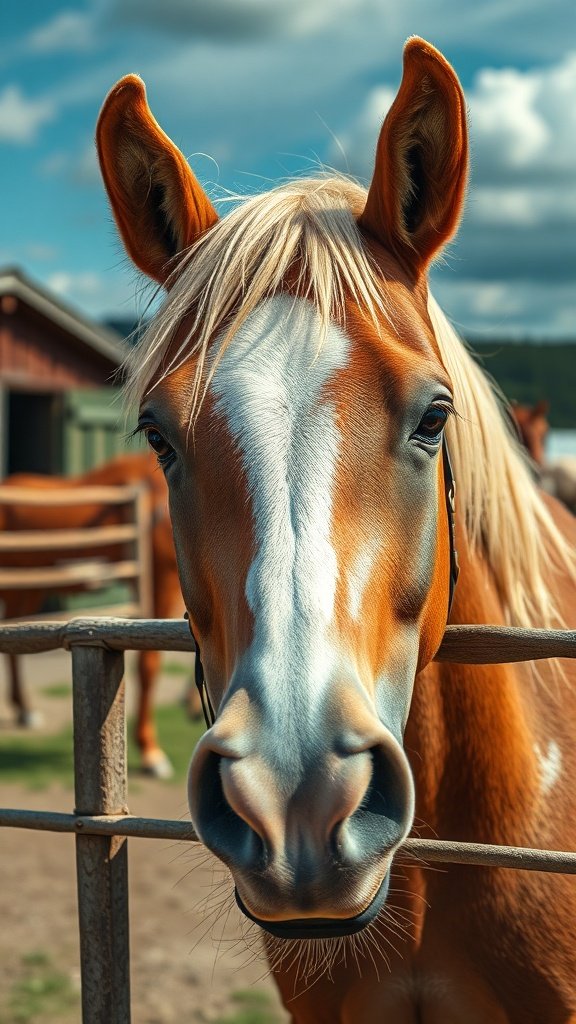
Do Horses Get Bored? Recognizing Signs of Boredom in Your Horse
Understanding whether your horse gets bored is crucial for their well-being. Horses are intelligent animals that thrive on variety, stimulation, and interaction. Without these elements, they can easily become bored, which might lead to problematic behaviors. Recognizing the signs of boredom in your horse is the first step toward keeping them happy and engaged.
One of the first signs you might notice is a change in behavior. If your horse seems unusually quiet or lethargic, this could be a red flag. Bored horses often exhibit behaviors like excessive chewing, pawing, or even pacing in their stalls. These actions indicate that they are looking for something to do. Pay attention to your horse’s demeanor during training sessions or while being ridden as well. A horse that once showed enthusiasm may become apathetic or distracted if they lack stimulation.

Another sign of boredom can be seen in their eating habits. If your horse is no longer excited about their feed or is consistently leaving behind hay, it may indicate they need more mental engagement. Horses generally enjoy foraging and exploring their environment. If they finish their meals quickly, it might be time to consider providing forage toys or puzzles to keep their minds active.
Human interaction also plays a significant role in a horse’s mental health. Horses are social creatures that thrive on companionship, whether with humans or fellow horses. If your horse seems overly attached or seeks constant attention, this could point to boredom. Creating opportunities for interaction, such as grooming, hand-grazing, or simply hanging out together, can contribute to improved mental stimulation.
Physical signs of boredom can sometimes be more subtle. A horse that is frequently situated in the same spot within their field or display minimal interest in their surroundings might be in need of more activities. Lethargy and a lack of interest in the environment can lead to a decline in overall health if not addressed. Regular changes to their routine can prevent boredom and promote a healthy, active lifestyle.
- Behavioral Changes: Look for signs of lethargy or unusual aggression on the ground. Bored horses may also engage in repetitive behaviors like cribbing.
- Eating Patterns: An unenthusiastic attitude towards food can indicate boredom. Provide variety in their diet or use slow feeders to keep them occupied.
- Social Isolation: Horses that are lonely or bored may seek constant human interaction or may become withdrawn. Gauge how your horse interacts with others.
- Physical Signs: Watch for unusual standing positions or lack of movement within their space. Stagnation can indicate mental fatigue and boredom.
So, what can you do if you determine your horse is bored? Implementing changes to their routine can significantly enhance their quality of life. One effective solution is to increase their turnout time. If possible, allow your horse to spend more time in the pasture where they can graze freely and interact with other horses. This not only alleviates boredom but also promotes physical health through movement.
Click Here to Explore All Things Equestrain, From Stables to Lessons and Free Ebooks
Another method is to introduce enrichment activities. Things like hanging treat balls, foraging toys, or interactive training sessions can provide mental stimulation. These activities can break the monotony of everyday life for your horse. Also, consider varying their exercise routine by incorporating different riding styles, outdoor trails, or even ground work. new skills or introducing new environments can spark their interest and reduce signs of boredom.
Building a bond with your horse is essential. Engage in games or bonding activities that allow for a deeper connection. Horses enjoy challenges and tasks; spending time together learning new tricks or participating in groundwork can be both rewarding and stimulating for your horse.
By paying attention to your horse’s behavior and mental stimulation needs, you can create a balanced routine that promotes happiness and health. Keeping boredom at bay is not just about filling time; it’s about enhancing the quality of life for these magnificent animals. A happy horse is an engaged horse, and recognizing signs of boredom is your first step in ensuring their emotional and physical well-being.
The Importance of Mental Stimulation for Horses
Mental stimulation is crucial for horses, as it profoundly influences their overall health and well-being. Just like humans, horses can become disinterested and bored when their environment lacks engagement. Keeping their minds active ensures they lead happier, healthier lives. In this exploration, we’ll cover the significance of mental stimulation for horses and how you can implement effective strategies to enrich their daily routines.
When a horse is lacking mental stimulation, it may display various signs of boredom. You’ll want to be aware of these indicators to ensure your horse stays engaged:
- Excessive Cribbing or Weaving: If your horse is biting on wood or constantly pacing, it may signal boredom.
- Restlessness: A bored horse may become more agitated and show signs of anxiety.
- Lethargy: If your horse seems uninterested in normal activities, it’s a red flag.
- Destructive Behavior: This can include damaging fences, kicking stalls, or acting out in frustration.
- Loss of Appetite: Boredom can lead to stress, which sometimes results in decreased food intake.
Recognizing these behaviors is the first step in ensuring that your horse has the mental stimulation it needs. Once you’ve identified signs of boredom, consider various strategies to keep your horse entertained and engaged.
Click Here to Explore All Things Equestrain, From Stables to Lessons and Free Ebooks
- Varied Workouts: Change up your routine by incorporating different riding styles or training exercises. This prevents both the horse and rider from falling into a monotonous pattern.
- Obstacle Courses: Set up small obstacle courses in the riding arena or pasture. This engages their problem-solving skills and makes exercise more enjoyable.
- Interactive Toys: Introduce toys designed for horses, such as treat balls or stimulating toys. These can keep them occupied and mentally sharp.
- Grazing Opportunities: Allow your horse to graze in new areas or offer a variety of safe plants. This not only stimulates their mind but also adds nutritional value to their diet.
- Social Interaction: Horses are social animals. Provide opportunities for them to interact with other horses or ensure you spend time with them, talking or grooming.
Each horse is unique, and different strategies may resonate with them. It’s crucial to observe what your horse enjoys the most and adapt your methods accordingly. Rotating activities frequently can maintain excitement and curiosity, which are vital for their mental engagement.
Another integral part of mental stimulation revolves around training. regular training sessions that challenge your horse can keep their minds active. Learning new commands, tricks, or even working on problem-solving tasks are effective methods to enrich their daily routine. This type of engagement not only builds a closer bond between you and your horse but also enhances their confidence and curiosity about their environment.
Beyond just physical and cognitive exercises, consider the setting as well. Horses thrive in environments that incorporate various textures, scents, and sights. A visually stimulating environment can reduce stress and promote a sense of renovation. Ensure that their living spaces are safe and equipped with items that pique their interest. Sometimes, even simple changes, like rearranging their living area or introducing new items, can make a world of difference.
In addition to implementing these strategies, always be mindful of your horse’s emotional state. Ensure they have a calm yet stimulating atmosphere that helps them feel secure while also promoting exploration and play. By fostering a balance of comfort and mental challenge, you enhance not only their quality of life but also their long-term emotional health.
Remember that you know your horse best. Engage with them and listen to their needs. With a little creativity and attention, you can easily provide the mental stimulation they crave. Keeping your horse mentally active is not just about preventing boredom; it’s about enriching their life and creating a stronger bond between you and your equine friend.
Click Here to Explore All Things Equestrain, From Stables to Lessons and Free Ebooks
When you prioritize mental stimulation for your horse, you contribute not only to their happiness but also to their physical well-being, ensuring they thrive in an engaging and fulfilling environment.
Fun and Engaging Activities to Keep Your Horse Entertained
Keeping your horse entertained is essential for their well-being and mental health. Just like humans, horses can become bored if they’re in the same environment or routine for too long. Engaging your horse in fun activities not only helps alleviate boredom but can also strengthen the bond between you and your equine friend. Here are some enjoyable activities that can keep your horse entertained and happy.
Interactive Feeding
Horses love to forage, and interactive feeding devices can enrich their time spent eating. Consider using:
- Slow Feed Nets: These nets allow hay to be eaten slowly, mimicking natural grazing and keeping your horse occupied longer.
- Treat Balls: Fill these balls with treats or hay. Your horse must roll the ball to get the food, adding a playful element to their meal.
- Foraging Toys: Similar to treat balls, these toys encourage horses to work for their food, providing mental stimulation.
Obstacle Courses
Creating an obstacle course in your paddock or arena can be a great way to keep your horse engaged and physically active. You can use items like:
- Pole bending
- Jumping rails
- Tarps and cones for weaving
- Small jumps to encourage agility
The variety will challenge your horse in different ways, and you can change the setup regularly to keep it fresh.
Ground Work Games
Groundwork is not just an essential training tool; it can also be fun for your horse. Try these activities:
Click Here to Explore All Things Equestrain, From Stables to Lessons and Free Ebooks
- Leading Exercises: Teach your horse to navigate through cones while being led.
- Liberty Work: Allow your horse to move freely around you and explore their space as they learn to respond to your cues without a halter.
- Clicker Training: Use positive reinforcement to teach tricks or commands. It’s fun and rewarding for both you and your horse!
Socialization
Horses are social animals and thrive in the company of others. If your horse is alone, consider:
- Bringing in another horse to its stable or pasture
- Arranging playdates with other friendly horses
- Using interactive toys that allow them to play alone but still keep their environment interesting
Trail Riding Adventures
Changing the scenery can really help keep your horse stimulated. Plan regular trail rides to explore new areas. This not only gives your horse new sights and smells but also challenges them with varied terrain. You might also find:
- New friends and horses along the way
- Different experiences like crossing streams or encountering wildlife
- Opportunities for practicing agility and guidance in uncertain environments
Engaging with Music
Believe it or not, many horses enjoy listening to music! Try playing soft music while they eat or chill in their barn. Some studies suggest that soothing sounds can lower stress levels in horses, making their environment more pleasant.
Grooming Sessions
Not only is grooming necessary for your horse’s health, but it can also be a fun bonding experience. While grooming your horse, try:
- Introducing new brushes or tools
- Mixing up your grooming routine
- Giving them a good massage or playing with their mane
This not only keeps them entertained but also helps them relax and enjoy your company.
Click Here to Explore All Things Equestrain, From Stables to Lessons and Free Ebooks
Making Use of Technology
Incorporate some technology into your horse’s routine by utilizing apps designed for equestrians. Some of these apps can track your horse’s movement, monitor their health, and suggest various activities to keep them engaged based on their temperament and preferences.
By mixing up your horse’s daily routine with these activities, you can reduce boredom and promote overall mental well-being. Remember, every horse is different, so pay attention to their preferences and reactions. With a little creativity and patience, you’ll find the perfect activities that keep your horse entertained and happy.
Understanding the Role of Environment in Preventing Horse Boredom
Creating an engaging environment for your horse is essential in preventing boredom. Horses, like humans, thrive in settings that stimulate their minds and provide opportunities for engagement. Understanding how to structure their environment can significantly impact their behavior, health, and overall happiness. Below are key elements to consider when optimizing your horse’s surroundings for maximum enjoyment.
Space to Roam
Horses are naturally inclined to move. Providing ample space allows them to explore, graze, and socialize. Consider these aspects:
- Paddocks and Pastures: Ensure your horse has access to a large paddock or pasture. This not only allows for exercise but also provides varied terrain to discover.
- Companionship: Horses are herd animals. Introducing a companion, whether another horse or a suitable farm animal, can greatly alleviate feelings of isolation and boredom.
Variety in Activities
Repetitive routines can lead to boredom in horses. Mixing up daily activities keeps their minds active. Here are some ideas:
- Training Sessions: Incorporate both groundwork and riding lessons. Use different methods like clicker training or natural horsemanship techniques to keep them engaged.
- Obstacle Courses: Set up a mini obstacle course using jumps and poles. This encourages problem-solving and physical activity.
- Trail Riding: Take your horse out for trail rides. New sights and sounds stimulate their senses and help break monotony.
Environmental Enrichment
Enhancing your horse’s living space with interesting features can help prevent boredom. Below are some effective strategies:
Click Here to Explore All Things Equestrain, From Stables to Lessons and Free Ebooks
- Hiding Treats: Hide treats around their paddock. This encourages them to forage and explore, simulating natural behaviors.
- Interactive Toys: Introduce safe toys like balls or treat dispensers that can keep them engaged for substantial periods.
- Change of Scenery: Rotate their grazing areas or change paddock locations regularly. New sights and smells can engage their curiosity and keep them entertained.
Social Interactions
Interaction with other horses is crucial. Here’s why:
- Playtime: Horses enjoy playing with each other, which can range from friendly nudges to running. This socialization is key to keeping their spirits high.
- Grooming: Mutual grooming helps strengthen bonds between horses. Allowing them time together fosters emotional well-being.
Exposure to New Experiences
Navigating new experiences is vital for mental stimulation. Consider these strategies:
- Field Trips: Take your horse to different environments, such as competitions, shows, or clinics. These outings provide fresh experiences.
- Engage with Different Elements: Introduce various equipment such as tarps, flags, or even water obstacles. This can help desensitize them and keep their minds active.
Regular Health Checks
Sometimes boredom can stem from discomfort or health issues. Make sure to:
- Routine Vet Check-ups: Keeping up with vaccinations and health assessments ensures your horse is physically fit and content.
- Assess Diet: Provide a balanced diet tailored to their energy levels and activity. Sometimes, nutritional deficiencies can affect behavior.
Understanding and improving the environment where your horse lives can diminish feelings of boredom and enhance their quality of life. A well-structured and engaging setting allows for exploration, socialization, and physical activity, all of which are crucial for your horse’s happiness and well-being. By applying these strategies, you can help your horse thrive both physically and mentally.
How Routine Changes Can Help Alleviate Boredom in Horses
Horses are magnificent creatures that thrive on variety and stimulation. Just like humans, they can experience boredom, especially when their daily routines become dull and repetitive. Recognizing how routine changes can benefit your horse is essential for their mental and physical well-being. Implementing new activities and varying their environment can help alleviate boredom, ensuring that your horse remains happy and engaged.
Several signs can indicate that your horse is bored. Observing these behaviors will allow you to implement changes that will enhance their daily routine:
Click Here to Explore All Things Equestrain, From Stables to Lessons and Free Ebooks
- Excessive Chewing or cribbing: If your horse starts chewing on fences, stalls, or other surfaces, it may be a sign of boredom.
- Restlessness: A bored horse might pace back and forth in their stall or barn, showing a lack of focus.
- Reduced Activity: If your horse seems less enthusiastic about exercise or play, it may be due to a repetitive routine.
- Changes in Eating Habits: A horse that is bored may eat less or even overeat due to lack of stimulation.
- Stalling Behavior: Horses may develop vices like weaving or head nodding because they lack an engaging environment.
To keep your horse engaged and prevent boredom, introducing varied routines can work wonders. Here are some effective strategies to consider:
- Change Feeding Practices: Instead of the usual hay or grain, consider using slow feeders or treat balls that require effort to extract food. This change can turn meal times into an engaging activity.
- Increase Social Interaction: Allow your horse to interact with other horses or animals. Socialization can prevent feelings of isolation and boredom.
- Diverse Exercise Routines: Instead of sticking with the same training exercises, mix it up! Introduce trail rides, long-lining, or even obstacle courses to keep things fresh. This keeps your horse mentally alert and physically challenged.
- New Enrichment Items: Introduce toys, puzzles, or other enrichment tools in your horse’s stall or pasture. These items can keep your horse entertained and stimulated.
- Frequent Environmental Changes: Rotate the pastures your horse grazes to provide fresh scenery and different grazing experiences. Additionally, move their stall or stable setup occasionally to change their environment.
Routine changes don’t need to be drastic to be effective. Sometimes, subtle modifications can make a significant difference in your horse’s daily experience:
- Scheduling Regular Grooming Sessions: Regular grooming not only helps your horse physically but also creates an emotional bond and aids in relaxation. Vary the locations where you groom or the grooming tools you use to keep things interesting.
- Include Training Games: Incorporate fun training exercises that require your horse to think, like “fetch the ball” or “follow the leader.” These activities promote mental engagement and build a stronger relationship between you and your horse.
- Involve Them in Routine Chores: Letting your horse partake in feeding or other daily chores can break the monotony and stimulate their mind.
Making these routine changes can significantly improve your horse’s quality of life. It’s essential to observe how they respond to these variations. By keeping their environment dynamic and engaging, you can nurture a happier, healthier horse.
Always remember that boredom in horses is more than just a nuisance; it can lead to behavioral issues and stress. Being proactive about their routine not only alleviates boredom but also enhances their overall well-being. Your horse deserves to enjoy a fulfilling and stimulating life, and by taking steps to introduce variety, you’re offering them a happier existence.
Conclusion
Recognizing that horses can experience boredom is crucial for their well-being and happiness. By understanding the signs of boredom, such as repetitive behavior or lack of interest in surrounding activities, you can take proactive steps to enrich their lives. Mental stimulation is key; engaging activities help keep their minds active and prevent the development of negative habits that often arise from boredom.
Providing fun activities like obstacle courses, puzzle toys, or simply varying riding routes can significantly decrease boredom. It’s also important to consider the environment in which your horse lives. A stimulating and varied setting can enhance their experience, allowing them to explore, graze, and interact in ways that promote mental wellness.
Click Here to Explore All Things Equestrain, From Stables to Lessons and Free Ebooks
Moreover, changing your horse’s routine can introduce novelty, which is essential in combating boredom. Regularly altering exercise regimens, playing new games, or even trying different groundwork can bring excitement back into their daily lives. Remember, a horse that feels engaged and challenged is a happy horse, leading to a more fulfilling and healthy life.
By staying attentive to your horse’s needs and incorporating varied stimuli, you can create a more vibrant, enjoyable environment that fosters both mental and emotional wellness. Make it a priority to not only meet your horse’s physical needs but also to nurture their minds. This way, you ensure that they thrive, not just exist, leading to a happy, well-adjusted companion.